Forklift Attachments Explained: Which One Do You Actually Need?
If you have ever stood in front of a parts catalog wondering which forklift attachment do I need, you are not alone. Attachment names sound similar, sales reps often push the most expensive option, and most warehouses end up either overpaying for a feature they never use or struggling without one that would save them hours every week.
This guide breaks down the most common forklift attachments in plain language, what each one actually solves, and how to match one to your real workload instead of guessing.
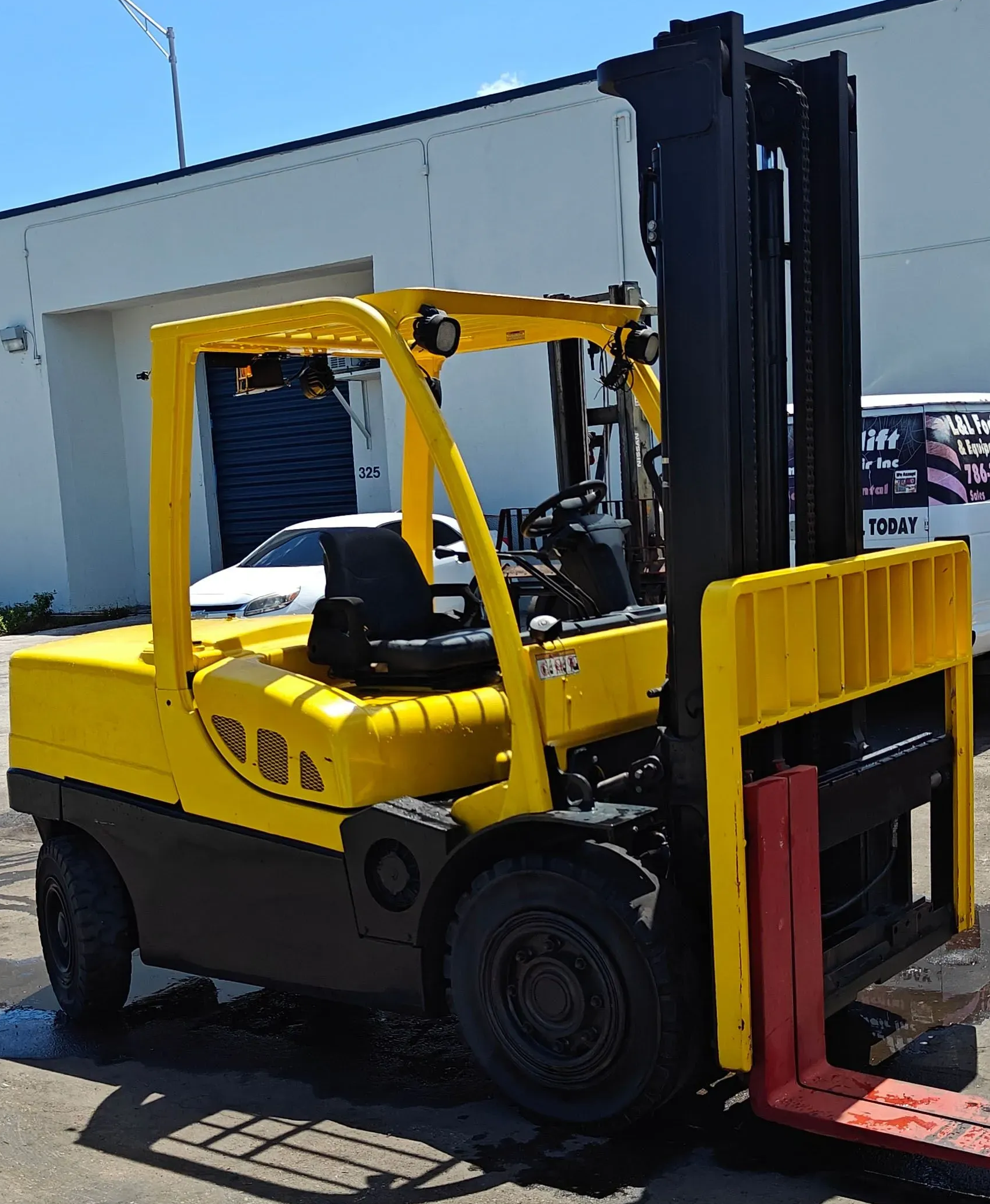
What Is a Forklift Attachment, and Do You Actually Need One?
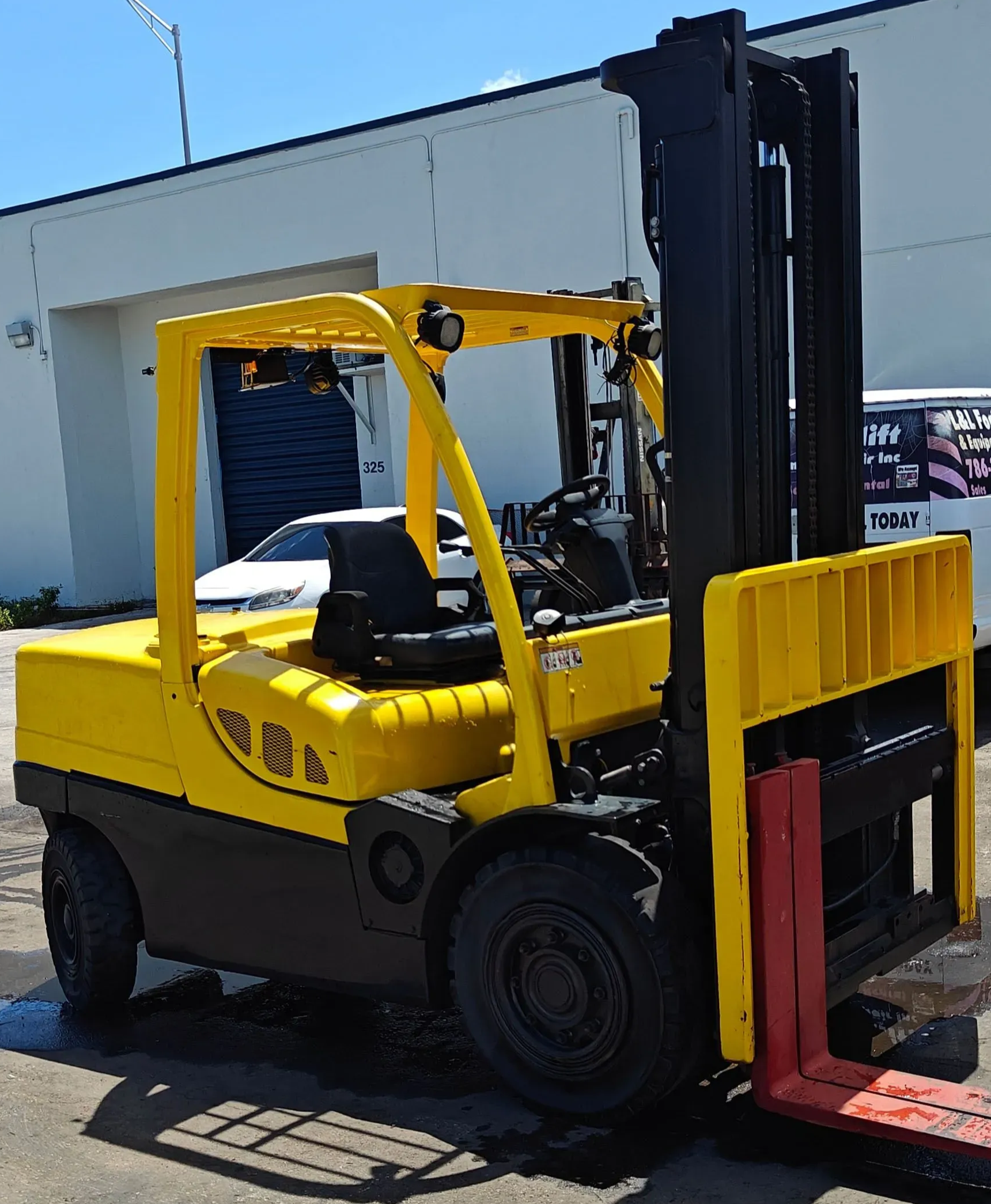
A forklift attachment is a tool mounted to the forks or carriage that changes what the forklift can lift, move, or handle. You need one only if your standard forks cannot safely or efficiently handle your specific load type, whether that means odd shapes, mixed pallet sizes, or no pallet at all.
Signs Your Current Setup Is Costing You Time or Money
If operators are frequently repositioning the truck to line up with a pallet, manually adjusting fork width throughout the day, or handling loads that do not sit on pallets at all, those are strong signals that the right attachment could cut wasted motion and reduce product damage. Small inefficiencies like these add up fast across a full shift.
Side Shifters: What They Do and When They're Worth It
A side shifter lets the operator move the forks left or right without repositioning the entire truck, speeding up pallet alignment in tight aisles. It is one of the most commonly used attachments because it solves a problem nearly every warehouse runs into.
Best Use Cases for Side Shifters
Side shifters shine in narrow aisle warehouses, high-volume pallet handling, and any operation where precise alignment matters but backing up and repositioning wastes time. If your team is constantly nudging the truck forward and backward to square up with a pallet, this attachment alone can meaningfully speed up throughput.
Who Doesn't Need One
If your warehouse has wide aisles, low pallet volume, or handles mostly uniform loads with plenty of room to maneuver, a side shifter may add cost without meaningful benefit. It is worth testing one of our forklift attachment rentals before committing to a purchase.
Fork Positioners: Solving the Multi-Pallet-Width Problem
A fork positioner lets the operator adjust fork width hydraulically from the seat, which is especially useful for warehouses handling multiple pallet sizes throughout the day. Instead of stopping to manually slide the forks, the adjustment happens in seconds without leaving the cab.
How Fork Positioners Compare to Manual Fork Adjustment
Manually adjusting fork width means stopping the truck, getting out, and physically repositioning each fork, a process that can take several minutes per switch. A fork positioner reduces that to a lever pull, which matters significantly if your operation handles varied pallet sizes more than a few times per shift.
When This Attachment Pays for Itself
If your warehouse regularly switches between standard and narrow pallets, or handles mixed inventory from multiple suppliers with different packaging standards, the time saved on manual adjustments usually justifies the added cost within a matter of months.
Clamps: Handling Loads Without Pallets
Clamps grip products like drums, bales, appliances, or paper rolls directly, eliminating the need for a pallet entirely. This attachment is less about speed and more about handling loads that were never designed to sit on a standard pallet in the first place.
Common Clamp Types
Carton clamps are built for unpalletized boxed goods like appliances or furniture. Drum clamps secure cylindrical containers without crushing them. Bale clamps handle compressed materials like cardboard or textiles, and appliance clamps are shaped specifically for large household units. Each type is built around the shape and fragility of a specific product category.
Industries Where Clamps Are Essential
Beverage distribution, recycling and waste management, appliance retail, and paper or textile manufacturing rely heavily on clamps because their core products simply do not come on pallets. If your business handles any of these load types regularly, a clamp is less of an upgrade and more of a necessity.
Push/Pull Attachments: For Slip Sheet Operations
Push and pull attachments move loads stacked on slip sheets instead of pallets, often used to cut pallet costs and free up storage space. This attachment essentially replaces the function of a pallet with a thin, lightweight sheet.
Why Some Warehouses Switch from Pallets to Slip Sheets
Slip sheets are cheaper than pallets, take up a fraction of the storage space, and reduce shipping weight, which matters for businesses shipping large volumes over long distances. The tradeoff is that handling slip sheets requires a push/pull attachment, so the equipment cost needs to be weighed against the savings on materials and freight.
Rotators: When You Need to Dump or Flip a Load
Rotators rotate the forks up to 360 degrees, commonly used for dumping bins or flipping containers without manual labor. This attachment turns the forklift into a tool for tasks that would otherwise require dedicated dumping equipment or manual unloading.
Typical Applications for Rotating Attachments
Waste and recycling facilities use rotators to empty bins directly into compactors. Food processing and agriculture operations use them to dump bulk containers of product. Manufacturing environments sometimes use rotators to flip molds or containers mid-process. If your workflow involves emptying or inverting containers on a regular basis, a rotator can eliminate a significant amount of manual handling.
Extensions: Handling Oversized or Long Loads
Fork extensions temporarily lengthen the forks to safely support loads that overhang standard fork length. They are a simple, low-cost attachment designed for occasional, specific needs rather than daily use.
Safety Considerations When Using Extensions
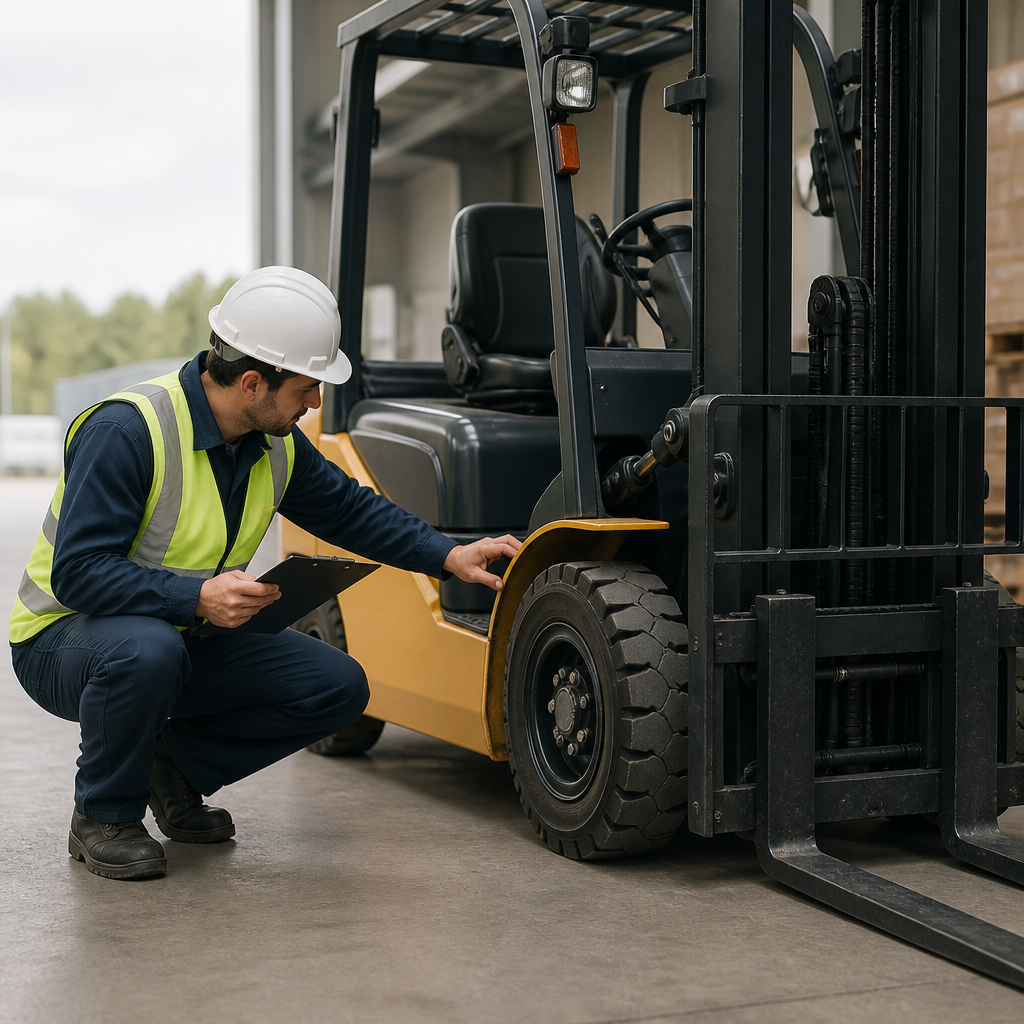
Extensions reduce the forklift's rated load capacity, since a longer fork shifts the load's center of gravity further from the mast. Always check the adjusted capacity rating before use, and avoid using extensions for loads at or near the truck's maximum rated weight. Operators should be trained specifically on how extensions affect handling before using them on the job, and any attachment should be included in your routine upkeep through forklift preventative maintenance programs to catch wear before it becomes a safety issue.
How to Choose the Right Attachment for Your Operation
Questions to Ask Before Buying or Renting an Attachment
Start by asking what your product actually looks like when it ships or stores: does it sit on a pallet, come in a drum, or need to be dumped from a container? Then ask how often the task happens. An attachment used daily justifies a bigger investment than one needed a few times a year.
Renting an Attachment vs. Buying One
If you are unsure whether an attachment fits your operation long term, renting lets you test it on real workloads before committing to a purchase. Many warehouses discover that an attachment they assumed they needed is only useful for a narrow part of their operation, which renting makes much cheaper to find out.
Quick Reference Checklist: Matching Attachments to Load Types
- Pallets of mixed widths: fork positioner
- Tight aisles or frequent repositioning: side shifter
- Drums, bales, or appliances without pallets: clamp
- Slip sheet shipping: push/pull attachment
- Bins or containers that need dumping: rotator
- Occasional oversized or overhanging loads: fork extension
Key Takeaways
- An attachment is only worth the cost if it solves a problem your current setup actually has.
- Side shifters and fork positioners mainly save time, while clamps and push/pull attachments solve handling problems pallets cannot.
- Extensions reduce load capacity and require specific operator training.
- Testing an attachment through a rental is a low-risk way to confirm it fits before buying.
- Most warehouses only need one or two attachment types, not a full set.
Conclusion: The Right Attachment Saves More Than It Costs
Figuring out which forklift attachment you actually need comes down to looking honestly at what your product is, how it is packaged, and how often a specific handling task slows your team down. The wrong attachment, or no attachment at all, often shows up quietly as slower pallet handling, product damage, or wasted labor hours.
Before committing to a purchase, test the fit, keep up with upkeep, and plan the term that actually matches your project. Our guide on choosing the right forklift rental duration can help you match your rental term to how long you actually need the attachment on site.