Renting vs. Buying a Forklift: A Decision Framework for Small Warehouses
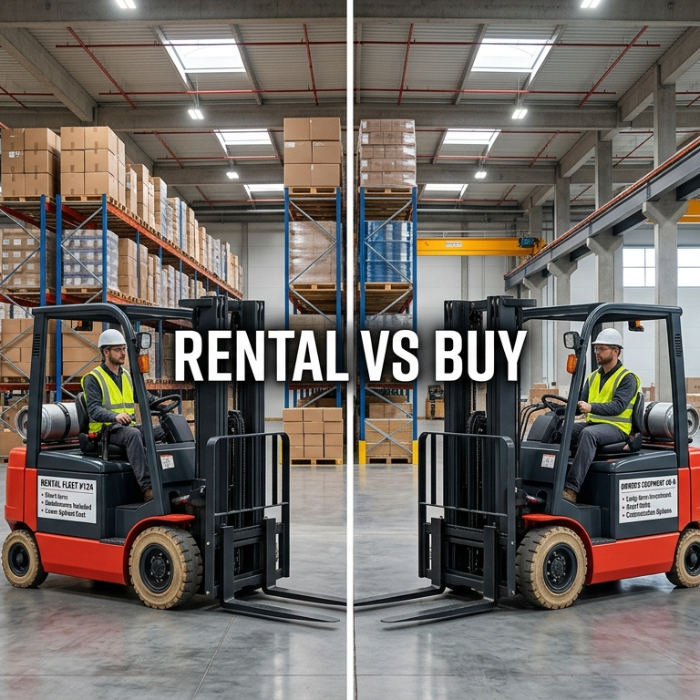
If you run a small warehouse, you have probably asked yourself: should I rent or buy a forklift for my warehouse? The short answer is that it depends on how many hours a month you actually use the equipment, how much cash you can tie up in a purchase, and how much flexibility your operation needs going forward. There is no universal right answer, only the answer that fits your specific volume and budget.
This guide walks through the real factors that should drive that decision, so you can stop guessing and start making a call based on your actual operation instead of habit or gut feeling.
Why This Decision Is Harder Than It Looks for Small Warehouses
On the surface, renting versus buying looks like a simple math problem. In practice, small warehouses often underestimate the true cost on both sides, which is why so many operators end up with equipment that does not match their needs.
The Hidden Costs of Owning a Forklift
Buying a forklift is not just the sticker price. Ownership brings ongoing costs that rarely show up in the initial budget conversation: insurance, storage space, licensing, depreciation, and unplanned repairs. A forklift that sits unused for weeks at a time is still costing you money in financing, insurance premiums, and floor space, even when it is not lifting a single pallet.
The Hidden Costs of Renting Long-Term
Renting is not automatically the cheaper option either. If you find yourself renting the same forklift month after month for a year or more, the cumulative rental cost can eventually exceed what ownership would have cost. Long-term renting without reassessing your usage pattern is one of the most common ways small warehouses overspend without realizing it.
Key Factor #1: How Many Hours a Month Will You Actually Use It?
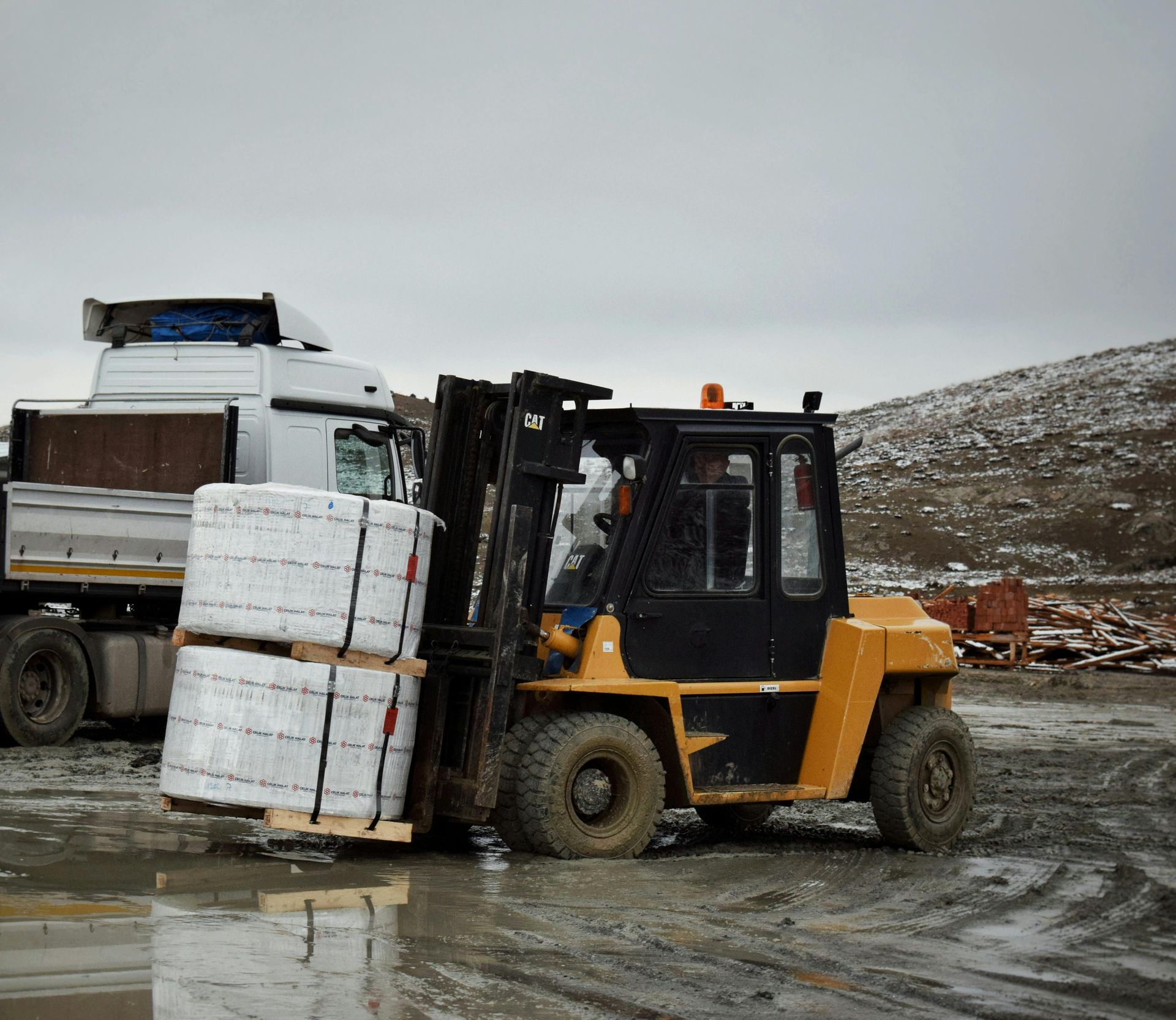
Usage hours are the single biggest factor in the rent-or-buy decision. As a general rule, the more consistently you run a forklift each month, the stronger the case for buying becomes, while sporadic or seasonal use tends to favor renting.
The Usage Threshold Where Buying Starts to Make Sense
Most small warehouses reach a tipping point once a forklift is in near-daily use across most weeks of the year. At that level of utilization, the monthly cost of ownership, spread across financing and maintenance, often starts to compare favorably against continuous rental fees. If your equipment is idle more days than it is running, renting typically remains the more cost-efficient path.
Estimating Usage for Seasonal or Inconsistent Demand
If your warehouse experiences predictable spikes, think holiday season, inventory turns, or specific project windows, track your actual usage hours over a full quarter before deciding anything. A simple log of hours per week for even four to six weeks gives you a far more reliable answer than a guess based on how busy things feel.
Key Factor #2: Upfront Budget vs. Cash Flow Flexibility
Do I need a lot of capital to get a forklift for my warehouse? Not necessarily. Renting requires little to no upfront investment, while buying typically means a down payment, financing terms, or a significant cash outlay that ties up capital you could use elsewhere.
What Ties Up Capital in Ownership
Financing a forklift purchase usually involves a down payment, monthly loan payments, and a depreciating asset on your books. For a small warehouse operating on tight margins, that capital might otherwise go toward inventory, staffing, or expanding into new space. Ownership also means absorbing the full risk if your business needs change and the equipment no longer fits.
How Renting Preserves Working Capital for Small Operations
Renting keeps your cash flow flexible. You pay for access to the equipment without the long-term financial commitment, which matters most for newer or growing warehouses that need to keep capital available for other priorities. This is especially relevant if your business is still figuring out its long-term equipment needs and does not want to lock in a purchase decision too early.
Key Factor #3: Maintenance and Repair Responsibility
Who is responsible for forklift maintenance, the owner or the rental company? With a rented forklift, the rental provider is typically responsible for upkeep and repairs, while an owned forklift places that responsibility, and the cost, entirely on your business.
Who's on the Hook When Equipment Breaks Down
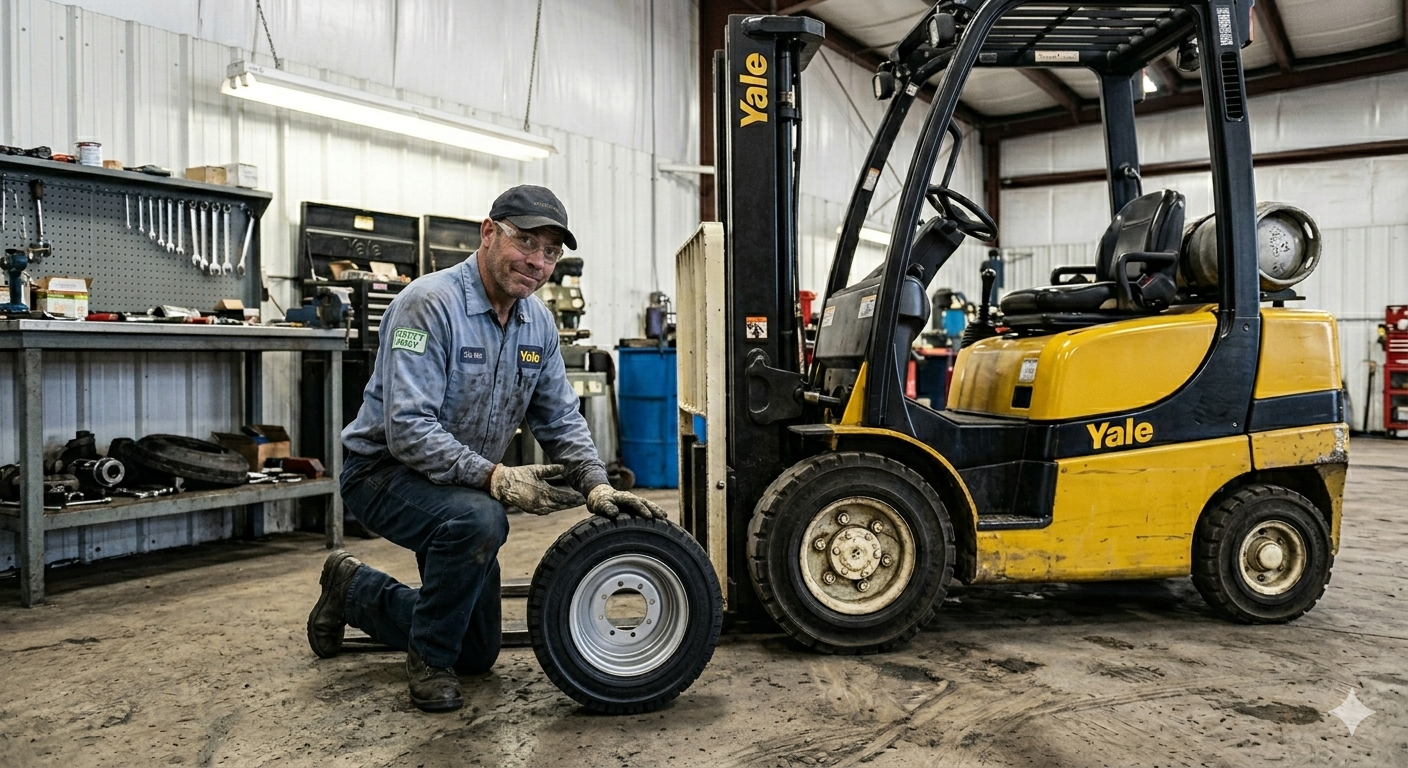
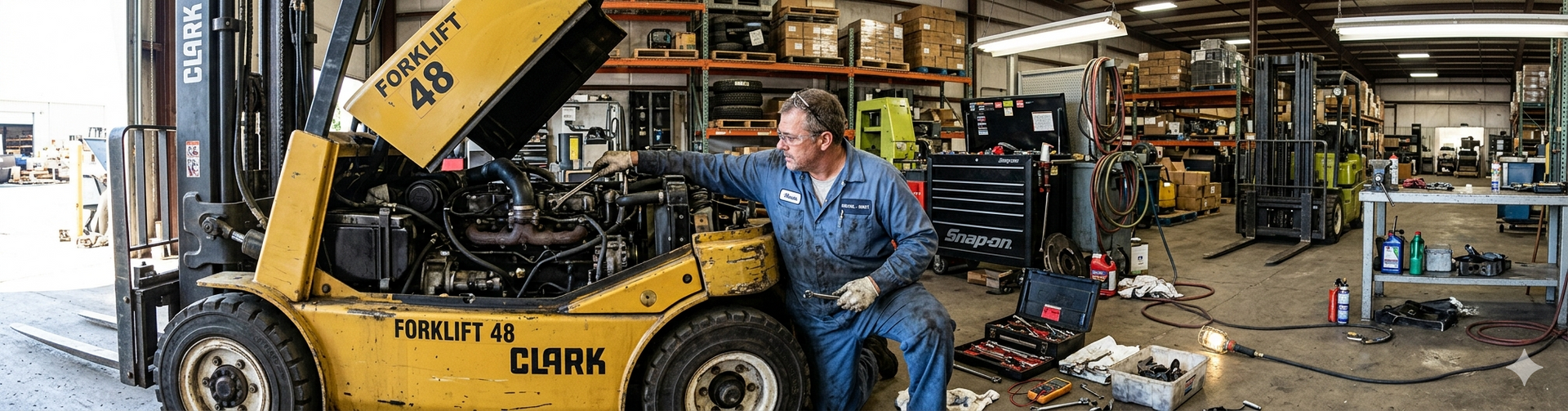
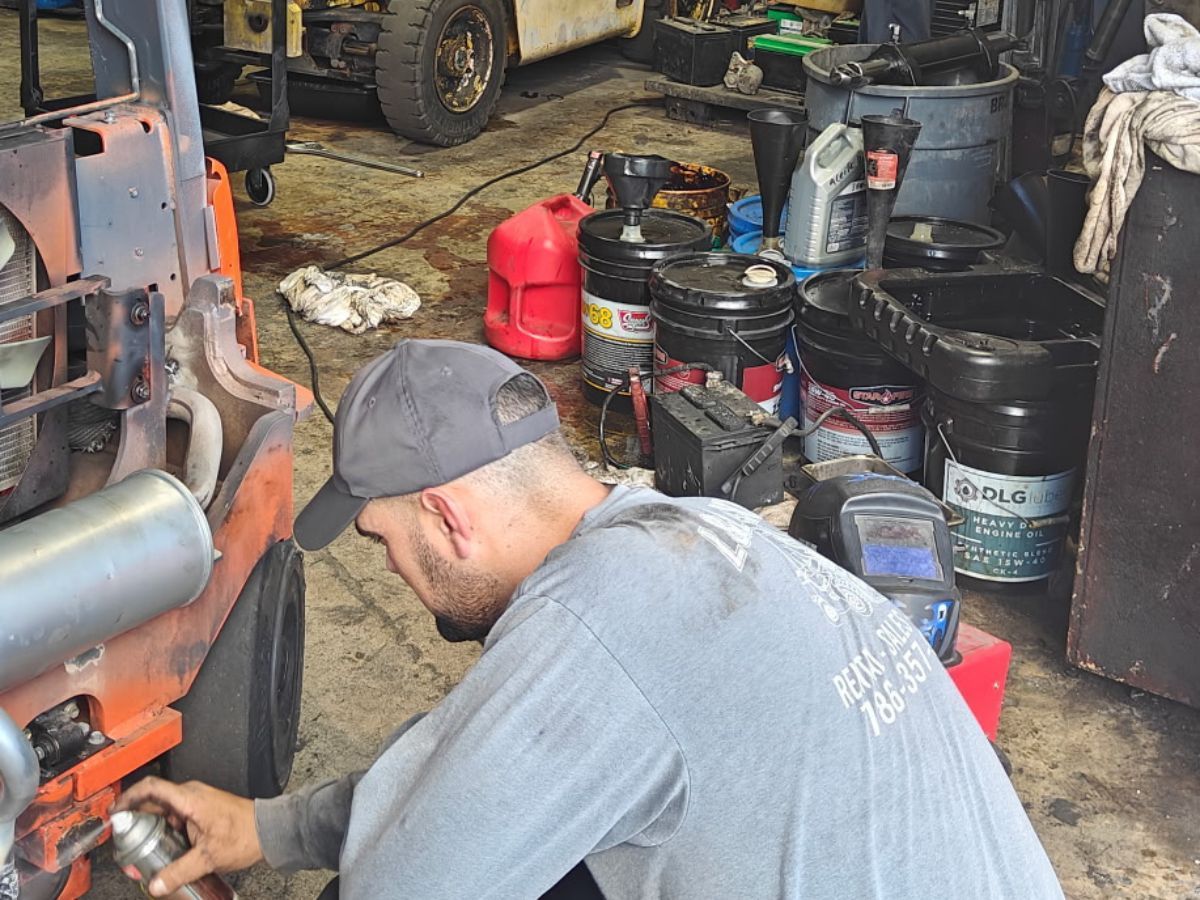
When you own a forklift, every repair, part replacement, and service call comes out of your budget and your schedule. When you rent, a reliable provider generally handles maintenance as part of the agreement, which reduces both your downtime risk and your unplanned expenses. This is one of the clearest advantages of renting for warehouses without an in-house maintenance team.
Predictable vs. Unpredictable Maintenance Costs
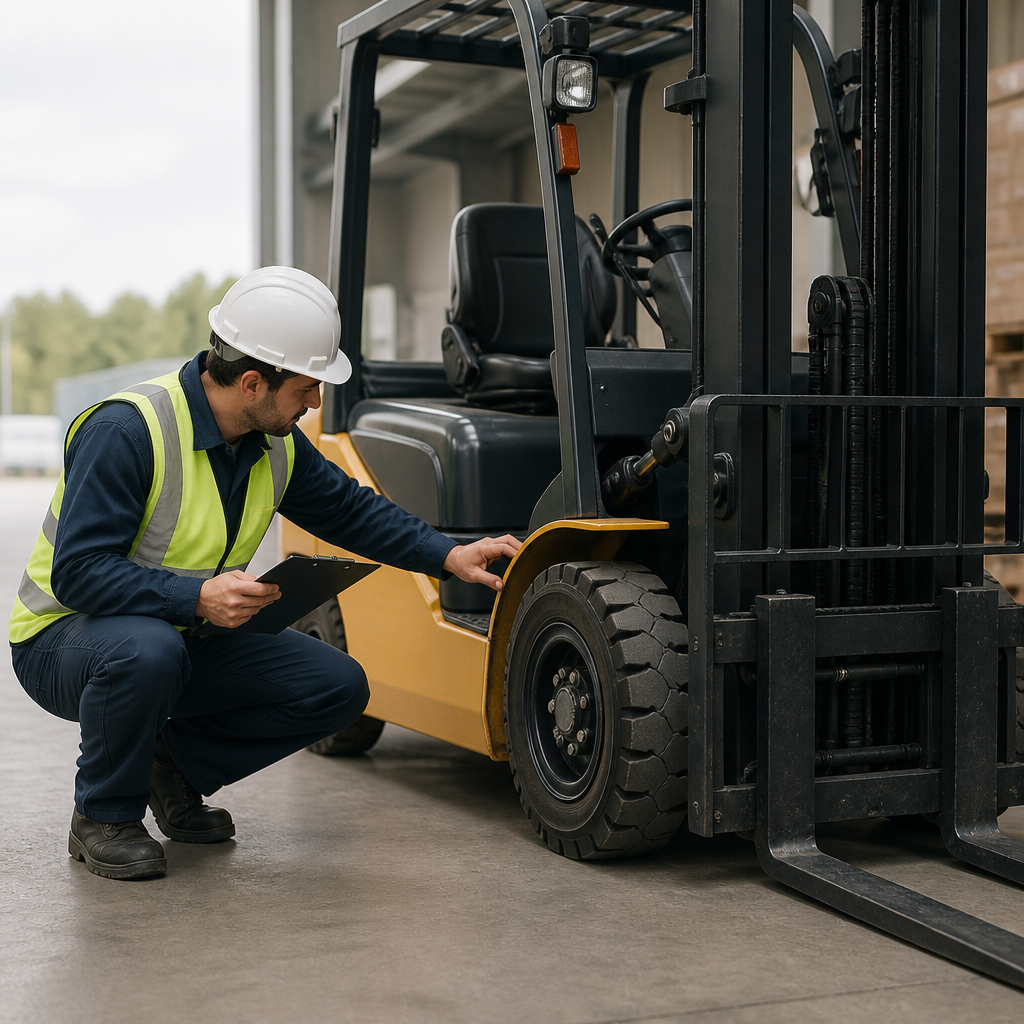
Ownership means maintenance costs are your responsibility, and older equipment tends to need more frequent, less predictable repairs as it ages. If you do choose to buy, enrolling your equipment in forklift preventative maintenance programs can help smooth out those costs and catch small issues before they become expensive breakdowns.
Key Factor #4: Flexibility for Growth or Changing Needs
Small warehouses rarely stay the same size or shape for long. Renting gives you the flexibility to scale your equipment up or down as demand shifts, without being locked into a fixed asset that may not match next year's needs.
Scaling Fleet Size Up or Down Without Long-Term Commitment
If you are adding a second shift, taking on a large seasonal contract, or scaling back after a slow quarter, renting lets you adjust your equipment count month to month. Ownership does not offer that same flexibility unless you are prepared to buy and sell equipment as conditions change, which adds its own cost and hassle.
Testing Equipment Types Before Committing to a Purchase
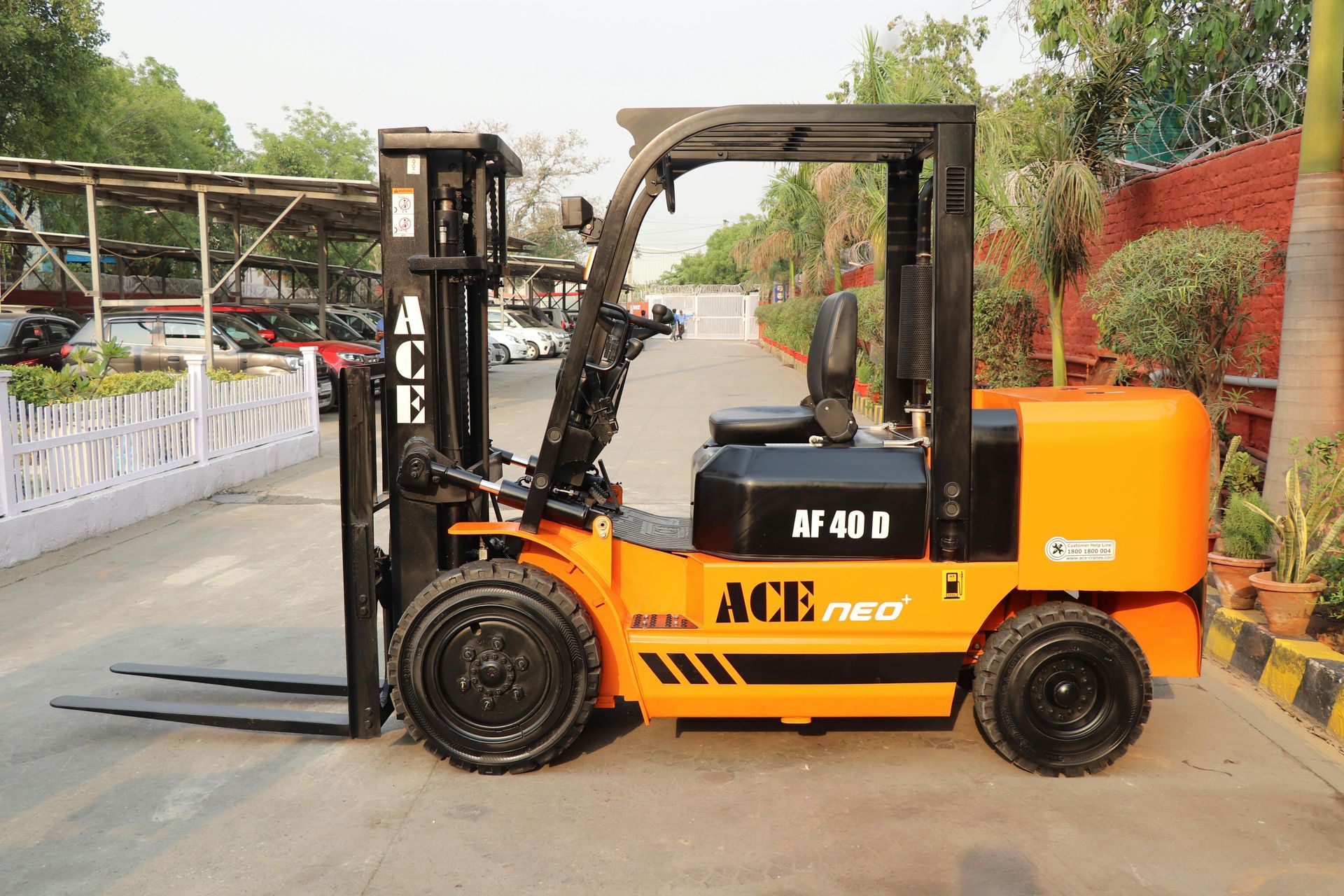
Not sure whether your operation needs a propane, electric, or diesel forklift, or what capacity class fits your typical loads? Renting different forklift rental options first lets you test what actually works for your warehouse before making a long-term purchase decision. This trial period can prevent a costly mismatch down the line.
Key Factor #5: Storage, Space, and Long-Term Fleet Management
Do you actually have room to store and maintain a forklift long term? If your warehouse lacks dedicated space for equipment storage, charging stations, or a maintenance area, that alone can tip the decision toward renting.
Do You Have Space to Store and Maintain an Owned Forklift?
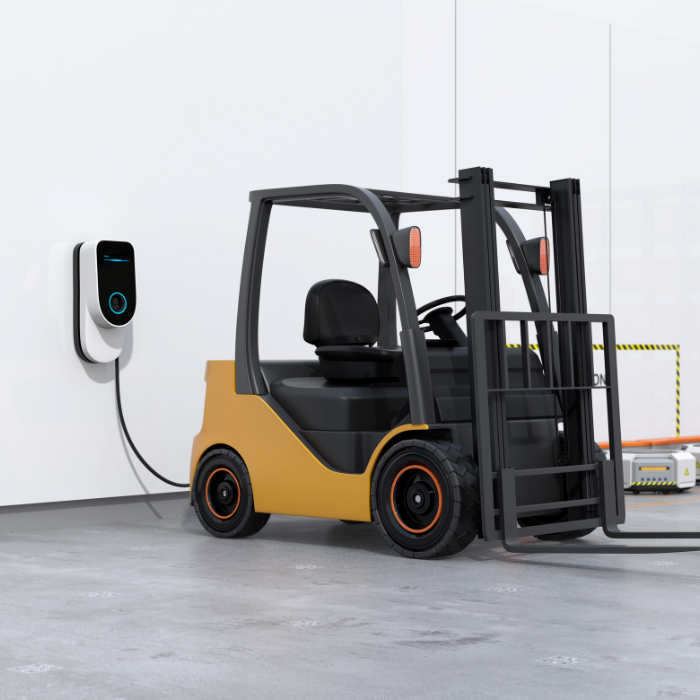
Owning equipment means finding secure, weather-appropriate storage and, for electric models, a charging setup. For small warehouses already tight on square footage, that space could often be better used for inventory or operations instead of parked equipment.
Fleet Management Overhead Most Small Warehouses Underestimate
Beyond storage, ownership brings ongoing administrative work: tracking service schedules, renewing certifications, managing insurance, and keeping maintenance records. Renting shifts most of that overhead to the provider, which can be a meaningful time savings for a small team wearing multiple hats.
A Simple Decision Framework: Rent, Buy, or Rent to Own?
When Renting Is the Clear Choice
Renting makes the most sense if your usage is occasional, seasonal, or still unpredictable, if you want to preserve cash flow, or if you are testing which equipment type fits your operation before committing.
When Buying Makes More Sense
Buying tends to pay off once you have consistent, near-daily usage over a long period, available capital that is not needed elsewhere, and the storage and maintenance capacity to support ownership.
When a Rent to Own or Lease Path Bridges the Gap
If you are between the two, a rent-to-own or lease arrangement can offer a middle path, letting you use the equipment now while building toward ownership without a large upfront commitment.
Quick Self-Assessment Checklist
Before deciding, ask yourself the following:
- How many hours per week does the forklift actually run, on average?
- Can I commit capital to a purchase without straining cash flow?
- Do I have space and a plan for maintenance if I own the equipment?
- Is my warehouse's equipment need likely to grow, shrink, or change type soon?
- Have I compared costs over a full quarter of use, not just a single busy week?
Key Takeaways
- Usage hours are the most important factor in the rent versus buy decision.
- Renting preserves cash flow and shifts maintenance responsibility to the provider.
- Buying tends to make financial sense only with consistent, near-daily use.
- Storage space and administrative overhead are often overlooked costs of ownership.
- A rent-to-own path can bridge the gap for warehouses caught between the two options.
Conclusion: Matching the Right Option to Your Warehouse's Reality
There is no single correct answer to whether you should rent or buy a forklift for your warehouse. The right choice depends on your actual usage hours, your available capital, your storage capacity, and how much flexibility your business needs right now. Working through the framework above, honestly and with real numbers, will get you a far more reliable answer than guessing.
If you are still weighing your options, it helps to talk it through with a specialist who is not trying to push you toward one answer or the other. For more guidance on matching your rental term to your actual needs, contact a reputable forklift rental company to help you with
choosing the right forklift rental duration.