

Blog
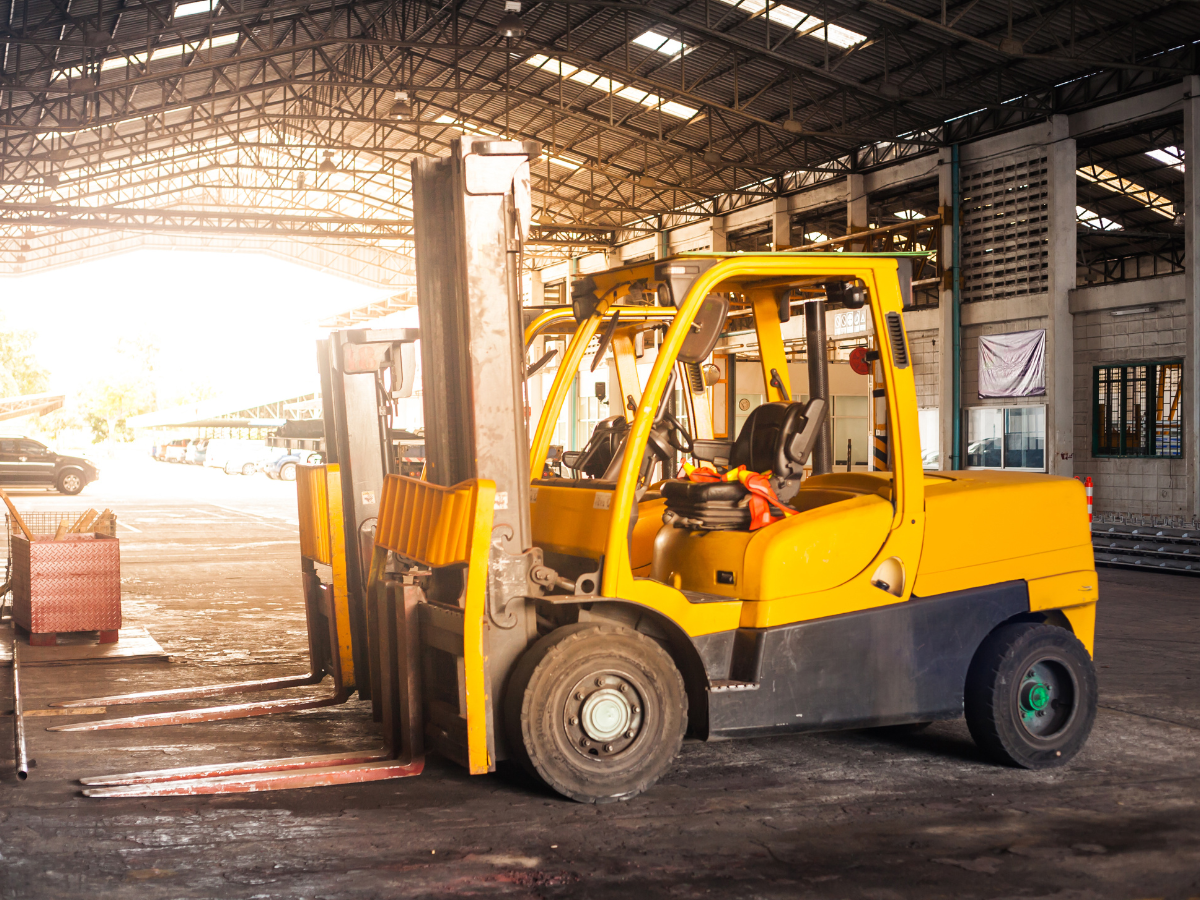
Forklift Attachments Explained: Which One Do You Actually Need? This guide breaks down the most common types, what each one does, and how to pick the right one for your warehouse.
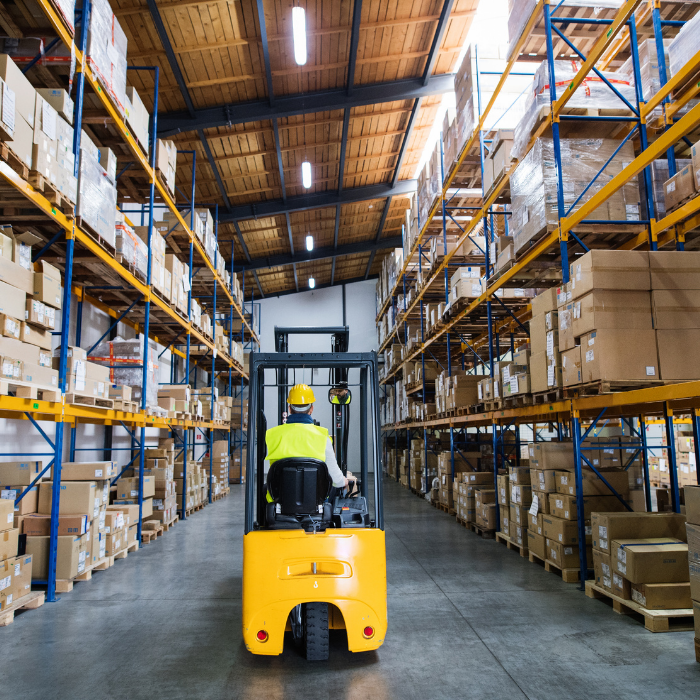
Not sure whether to rent or buy a forklift? Check out this simple framework on Renting vs. Buying a Forklift: A Decision Framework for Small Warehouses, covering usage hours, budget, and flexibility to choose what's right for your warehouse.
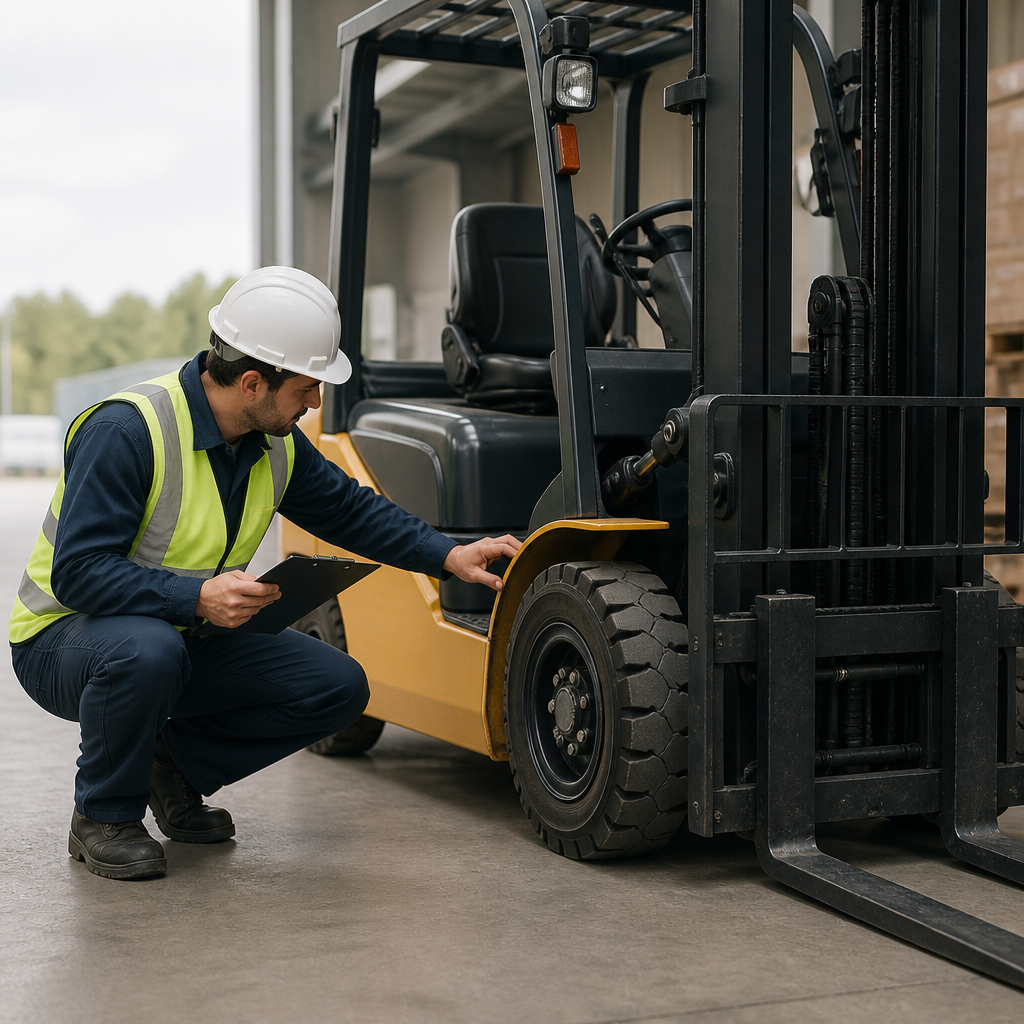
Buying a Used Forklift: 10 Things to Inspect Before You Pay: from forks to hydraulics, to avoid costly repairs and negotiate a fair price.
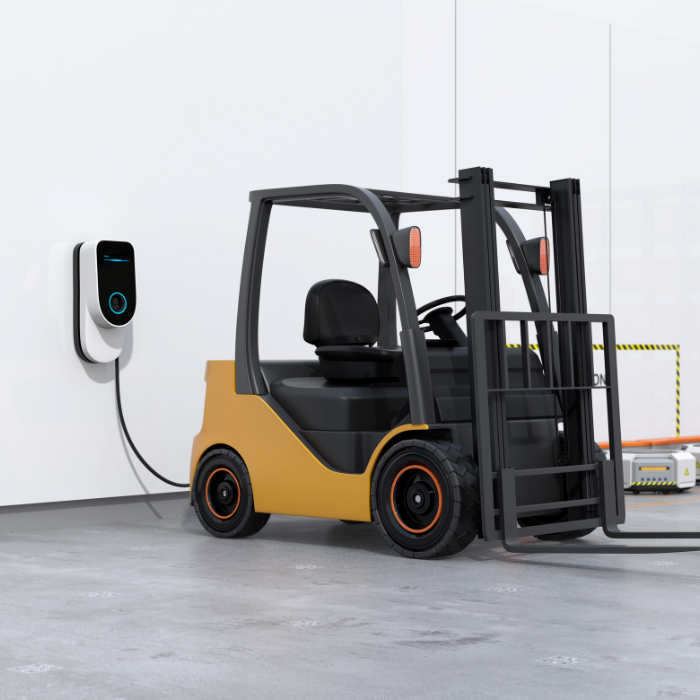
Electric vs Propane Forklift: Which Is Better for Indoor Warehouses? Compare emissions, cost, performance, and maintenance to find the right fit for your operation.
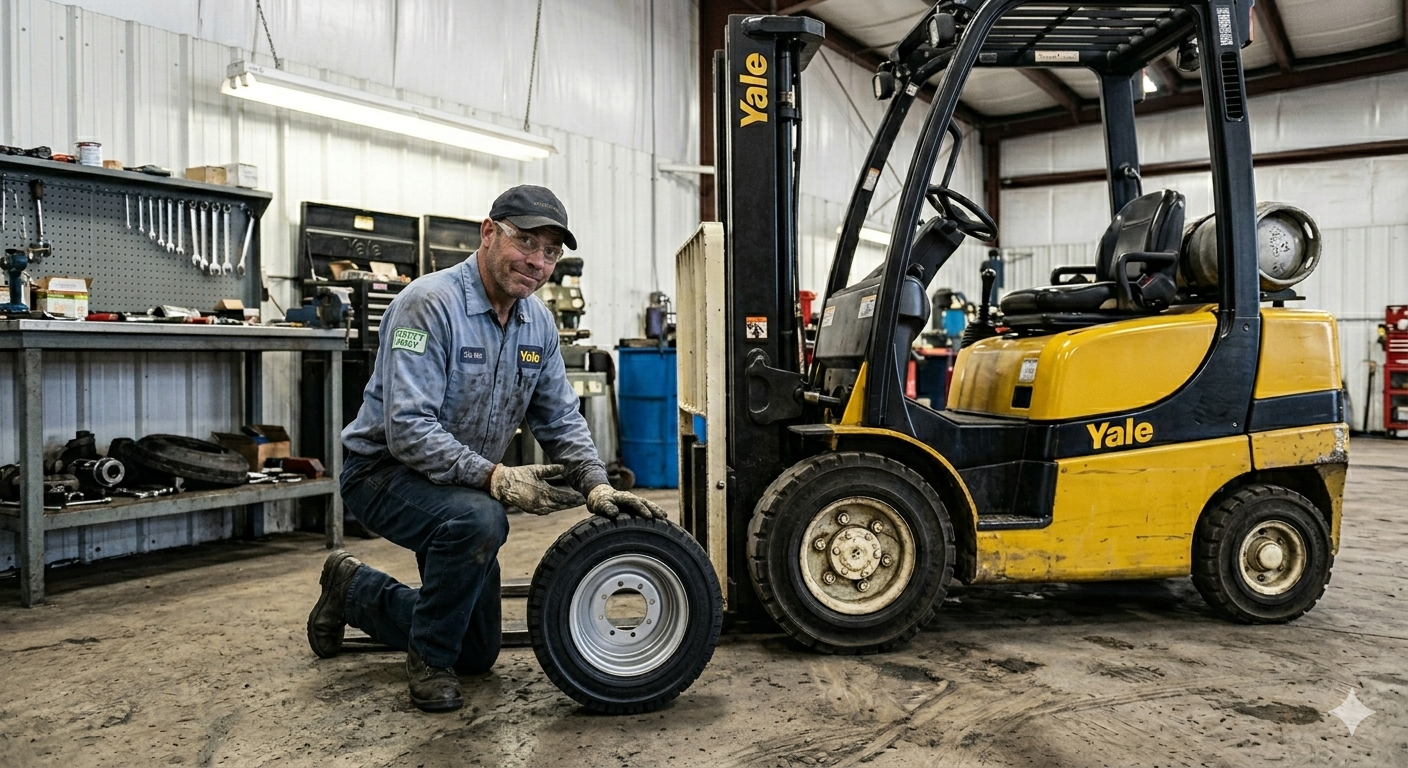
Learn how to extend the life of your forklift tires with expert maintenance tips from L&L Forklift & Equipment Repair in South Florida. Save money, reduce downtime, and keep your operation running safely.
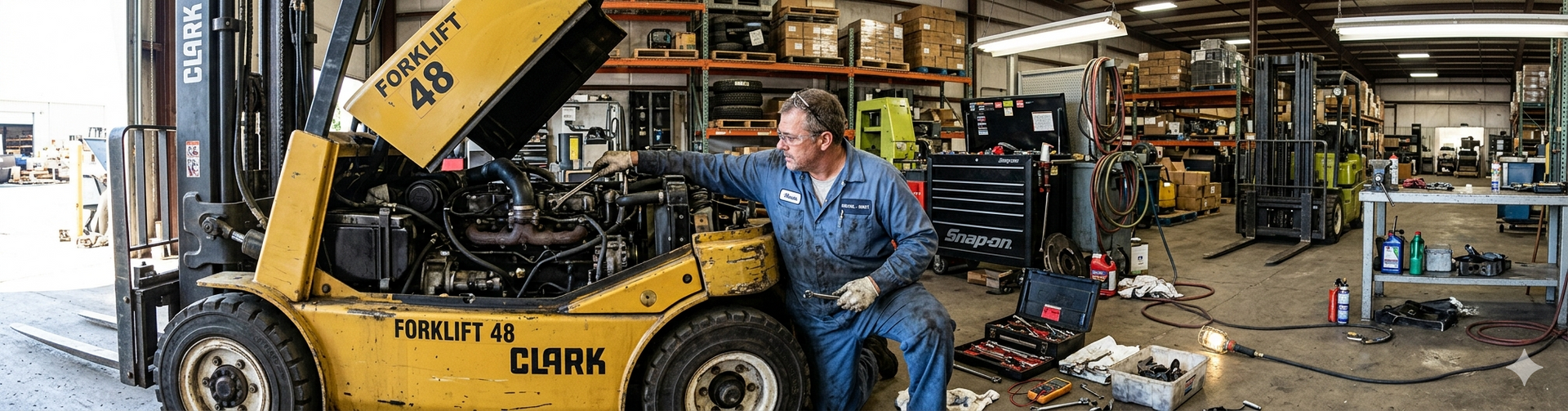
Most forklift repairs take 1–3 business days. See typical timelines by issue type, what causes delays, and how to cut downtime in Miami warehouses.
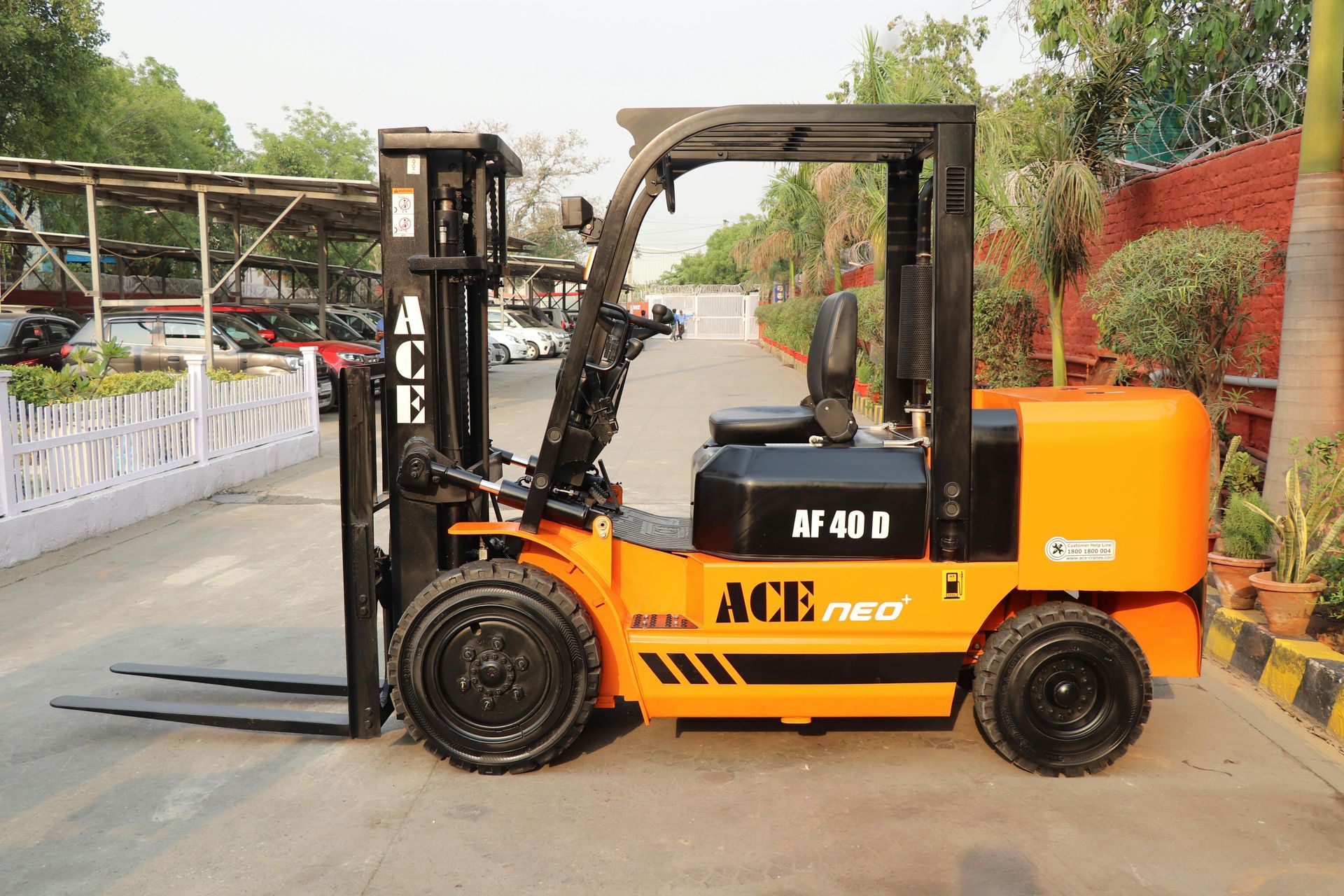
Not sure whether to rent daily, weekly, or monthly? This forklift rental duration guide helps Miami businesses save money and avoid costly mistakes.
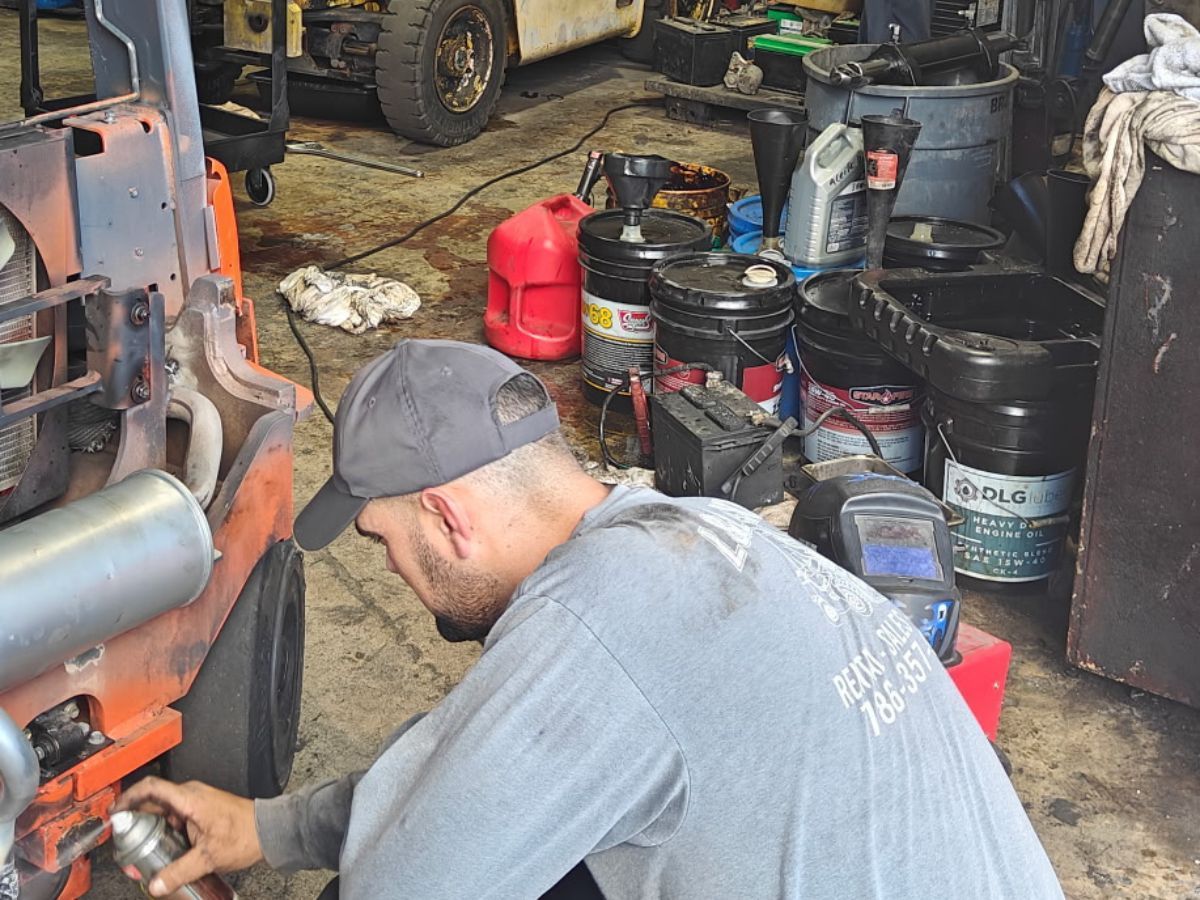
Daily, weekly, monthly, and annual forklift maintenance checklists built for South Florida heat and humidity, plus what OSHA requires for inspections.
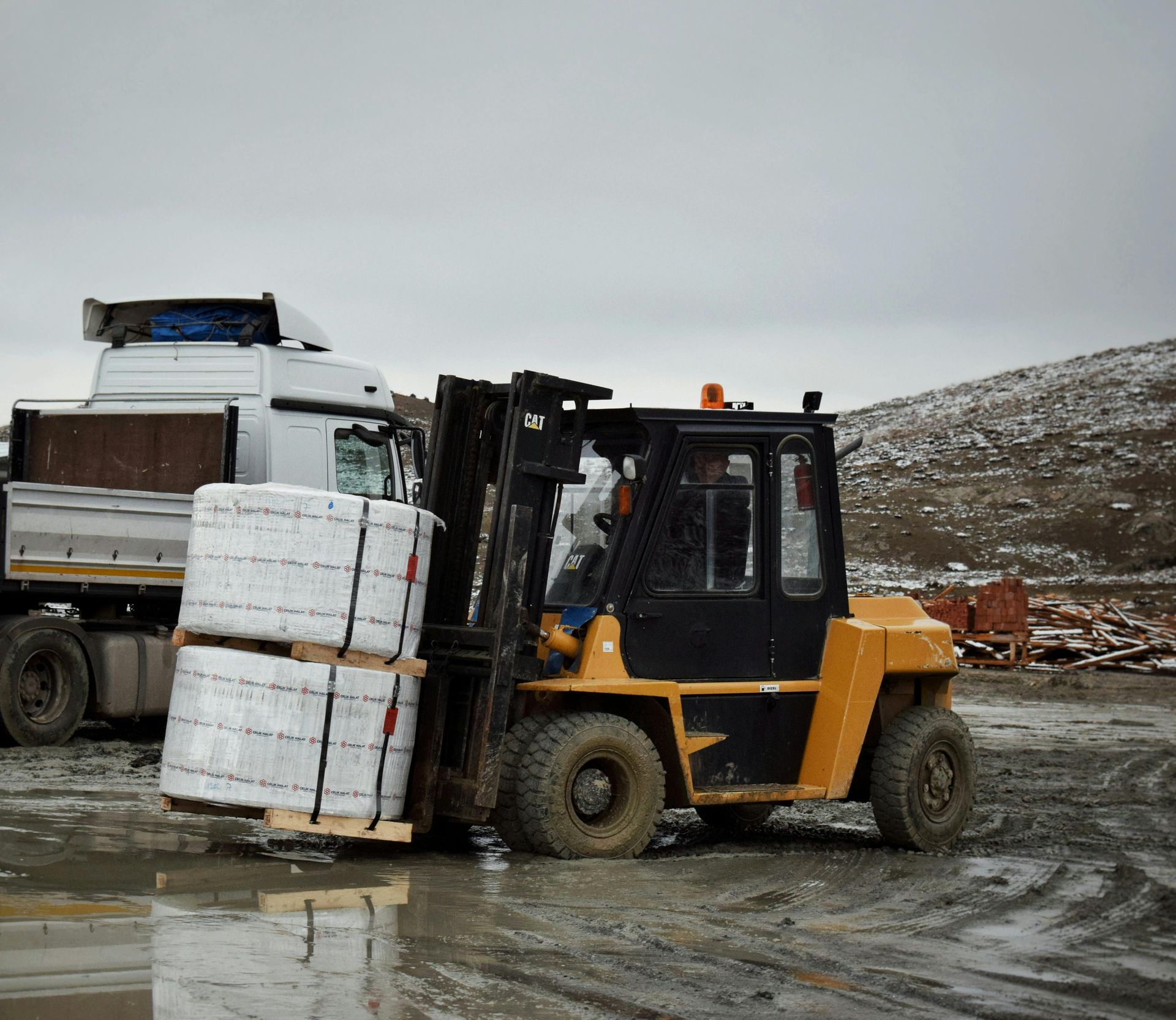
Recognize 7 critical forklift warning signs before breakdown. Expert repair advice from Miami's trusted material handling equipment specialists.
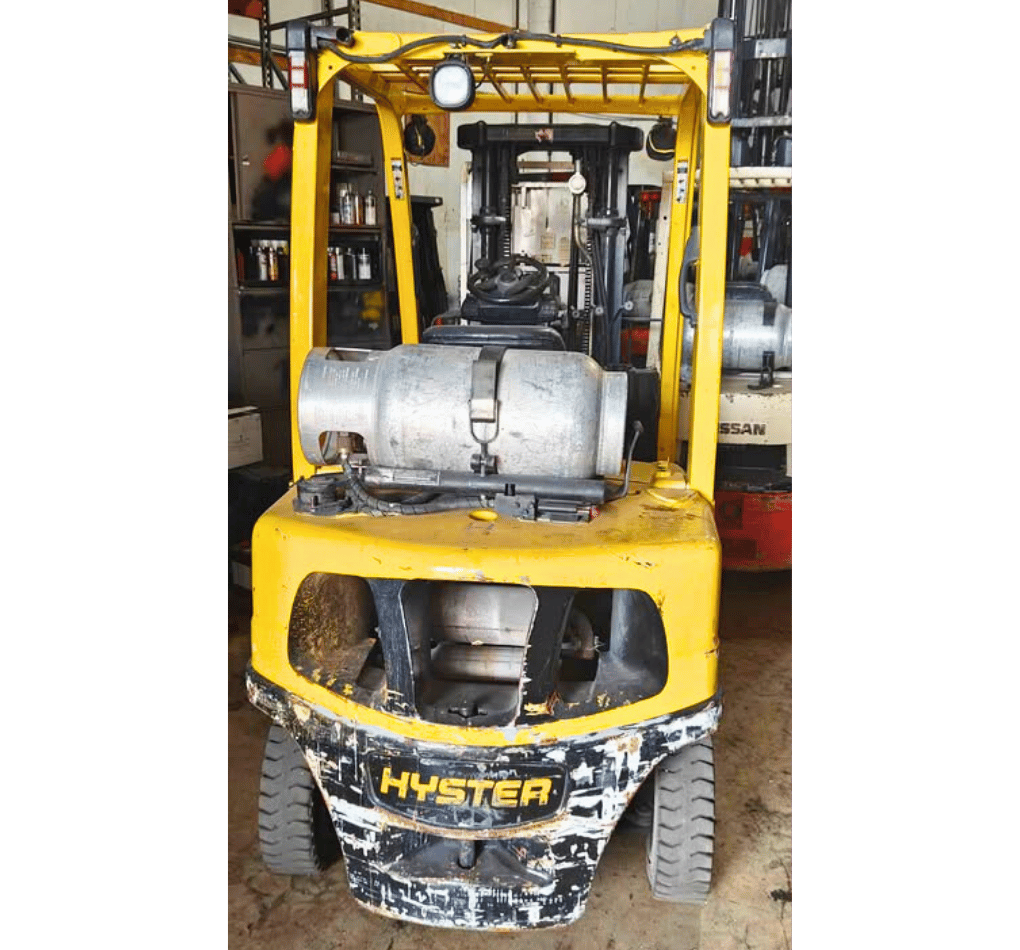
Propane, gas, or diesel? Compare forklift fuel types on cost, emissions, indoor use, and performance in South Florida's climate to pick the right fit.
