The Complete Guide to Forklift Preventive Maintenance for South Florida Warehouses
A missed oil change on a passenger car is an inconvenience. A missed forklift preventative maintenance schedule in a busy Miami warehouse is a breakdown waiting to happen — one that can cost thousands in emergency repairs, lost productivity, and potential OSHA violations. For South Florida warehouse managers, staying ahead of equipment maintenance isn't just good practice; it's a business necessity.
South Florida's climate adds a layer of urgency that warehouse operators in other parts of the country simply don't face. The combination of year-round heat, relentless humidity, and salt air doesn't just wear on people — it accelerates corrosion, degrades seals, strains cooling systems, and shortens the lifespan of electrical components faster than almost any other environment in the continental U.S. A structured maintenance program is the most reliable tool you have to fight back.
Why Forklift Maintenance Matters More in South Florida
Most warehouse equipment maintenance guidelines are written with average conditions in mind. South Florida is not average. Overnight moisture seeps into electrical panels and battery terminals. Summer temperatures routinely push warehouse interiors past 90°F, stressing cooling systems and hydraulic fluid viscosity alike. Near-coastal operations face salt air that accelerates rust on mast channels, chains, and chassis components at a pace that would surprise technicians working in drier climates.
The financial case is equally straightforward. Emergency forklift repairs typically cost two to three times more than the same work performed on a scheduled basis, and that doesn't account for the downtime labor costs while a lift truck sits idle. Deferred maintenance also tends to void manufacturer warranties and creates measurable liability exposure if an under-maintained machine contributes to a workplace incident.
The good news is that most breakdowns are preventable. The businesses that avoid them aren't lucky — they're organized.
What OSHA Requires for Forklift Inspection and Maintenance
OSHA standard 29 CFR 1910.178 requires that powered industrial trucks be examined at least daily before use, and that any vehicle found to be unsafe be removed from service until it has been restored to safe operating condition. Forklifts used in multiple shifts must be inspected before each shift.
This isn't a technicality to work around — it's a framework to build on. OSHA establishes the minimum; smart warehouse operations exceed it. Compliance documentation matters as much as the inspections themselves. Inspectors want to see logs, not promises. If your team is completing pre-shift checks but not recording them, you're carrying the risk without the protection.
Operator training plays a role here, too. Under the same standard, operators must be trained to recognize the conditions that require a machine to be tagged out. That means knowing the difference between a cosmetic scuff on a fork and a stress crack that makes the lift truck unsafe to operate.
The Complete Forklift Preventive Maintenance Schedule
Think of your maintenance program as four overlapping layers of protection: daily, weekly, monthly, and annual. Each tier is designed to catch different categories of wear before they become failures.
Daily Pre-Shift Inspection Checklist
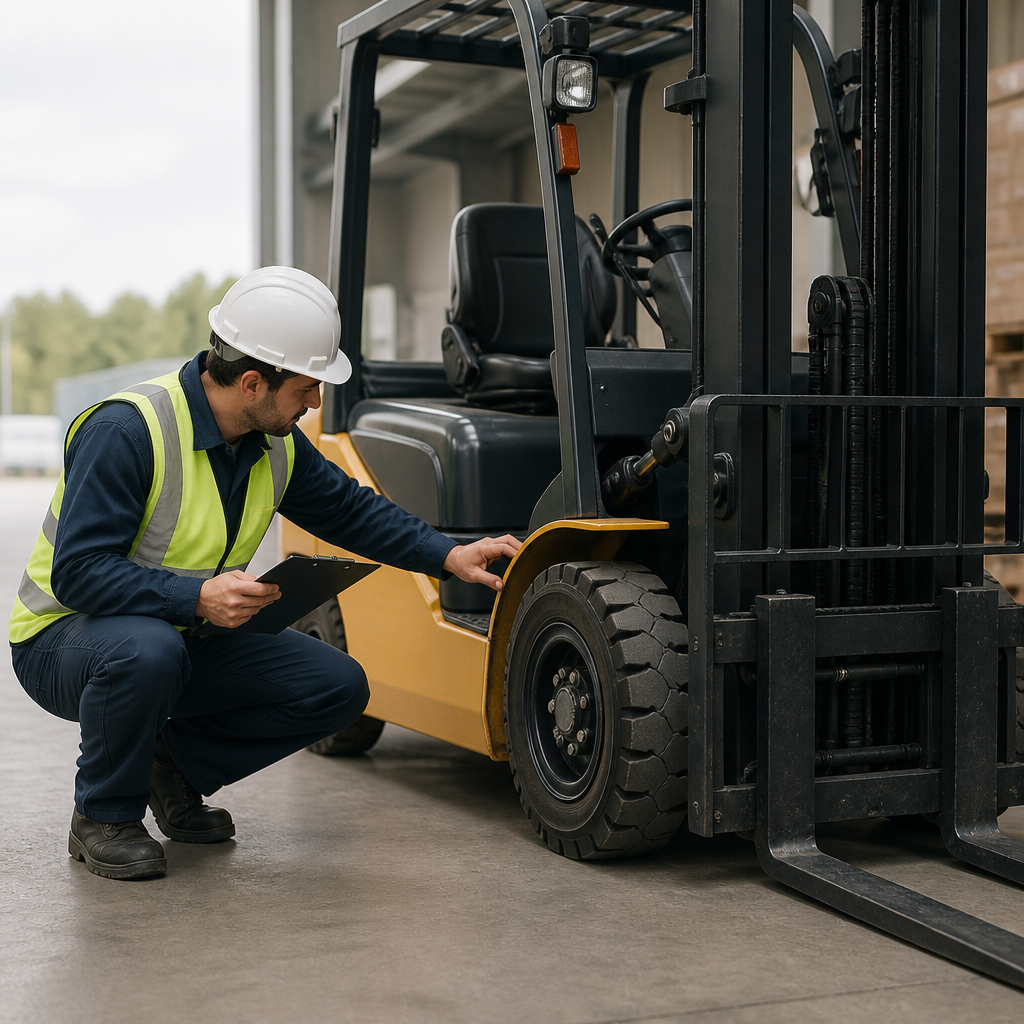
The daily inspection is operator territory — it should take 10 to 15 minutes and happen before the first load of every shift. In South Florida's humid overnight conditions, pay particular attention to moisture accumulation around electrical connectors and battery terminals before the first start.
Key items to check before every shift:
- Fluid levels: engine oil, hydraulic fluid, coolant, battery water on electric units
- Fuel system: propane hose integrity and connections, visible leaks on gas or diesel models
- Tires: inflation pressure, cuts, chunking, or embedded debris
- Forks and attachments: visible cracks or bends, blade wear, locking pins secure
- Lights, horn, and backup alarm: all functional
- Operator restraint system: seatbelt intact and latching properly
- Mast and lift chains: lubrication, unusual noise during a slow raise-and-lower cycle
- Brakes: test at low speed before entering the operational area
Any issue flagged during the daily check should be logged immediately and reported before the machine goes to work — not after.
Weekly Forklift Maintenance Tasks
Weekly tasks bridge the gap between daily operator checks and deeper monthly service. Some warehouses assign these to a lead operator; others bring in a technician. Either way, the goal is catching the things that daily checks might miss.
Lubricate mast channels, lift chains, and all pivot points on a weekly basis — South Florida heat burns through lubrication faster than climate-controlled environments. Clean or inspect air filters, which collect dust and debris quickly in active warehouse environments. On electric forklifts, review battery charge cycles and water levels. Check hydraulic response for any sluggishness that wasn't present the week before. Inspect overhead guard mounting hardware for looseness and examine propane hoses and regulators for visible weathering or wear.
Don't overlook the paper trail. Review operator-submitted daily logs for any recurring reports that might indicate an emerging issue before it becomes a repair call.
Monthly Forklift Service Checklist
Monthly service is technician work. This is where the warehouse equipment maintenance picture starts to get detailed, and where the value of a relationship with a trusted local service provider becomes clear.
A thorough monthly visit should cover the full hydraulic system, including cylinder seals and hose condition, brake system inspection and adjustment, and a steering system check for play and alignment. On gas and propane units, this is the right time for tune-up elements — spark plugs, fuel filters, and drive belts. Diesel and gas models operating in South Florida's heat need cooling system attention every month without exception during the summer months.
The electrical system deserves a careful look at the wiring harness, connectors, and switch contacts — humidity is relentless on these components. Log every finding, whether a correction was made or an item was flagged for monitoring. That log becomes your warranty protection, your OSHA documentation, and your resale value record all in one.
Annual Forklift Inspection and Full Service
The annual inspection is a comprehensive overhaul and certification event. This is where a qualified technician goes deep: full disassembly inspection of the mast and carriage assembly, hydraulic pump and control valve service, transmission fluid change, engine compression testing, and a complete electrical diagnostic scan.
Fork inspection is particularly important at this stage. Under ANSI/ITSDF B56.1 standards, forks should be measured for blade thickness and angle — forks worn beyond manufacturer tolerances must be replaced, not patched. Annual service is also the time to review your fleet's performance data, identify which machines are consuming disproportionate repair resources, and plan capital expenditures before they become emergencies.
If you're working with a local service partner, the annual visit is a good opportunity to review your full maintenance contract and make sure the program is calibrated to how your operation has evolved over the past year.
Fuel-Type Considerations for South Florida Operations
Not all lift trucks respond to South Florida's climate the same way, and your forklift service checklist should reflect the specific demands of your equipment.
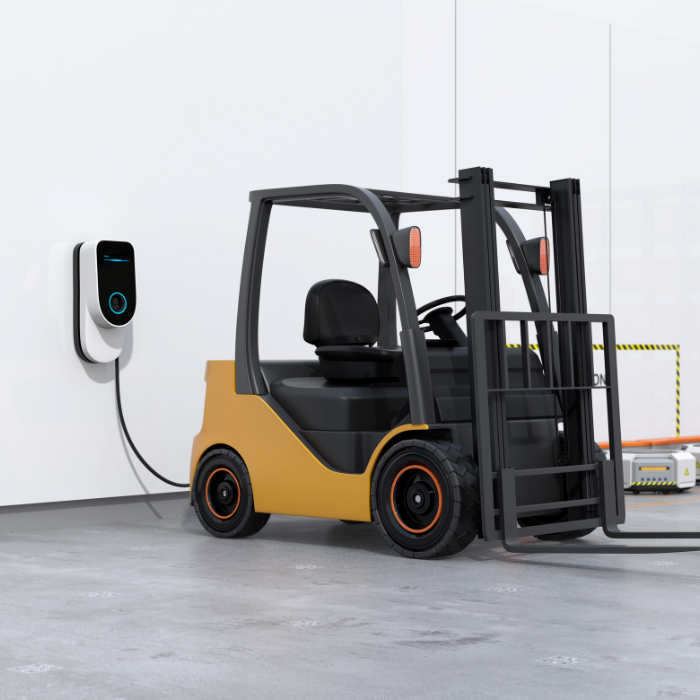
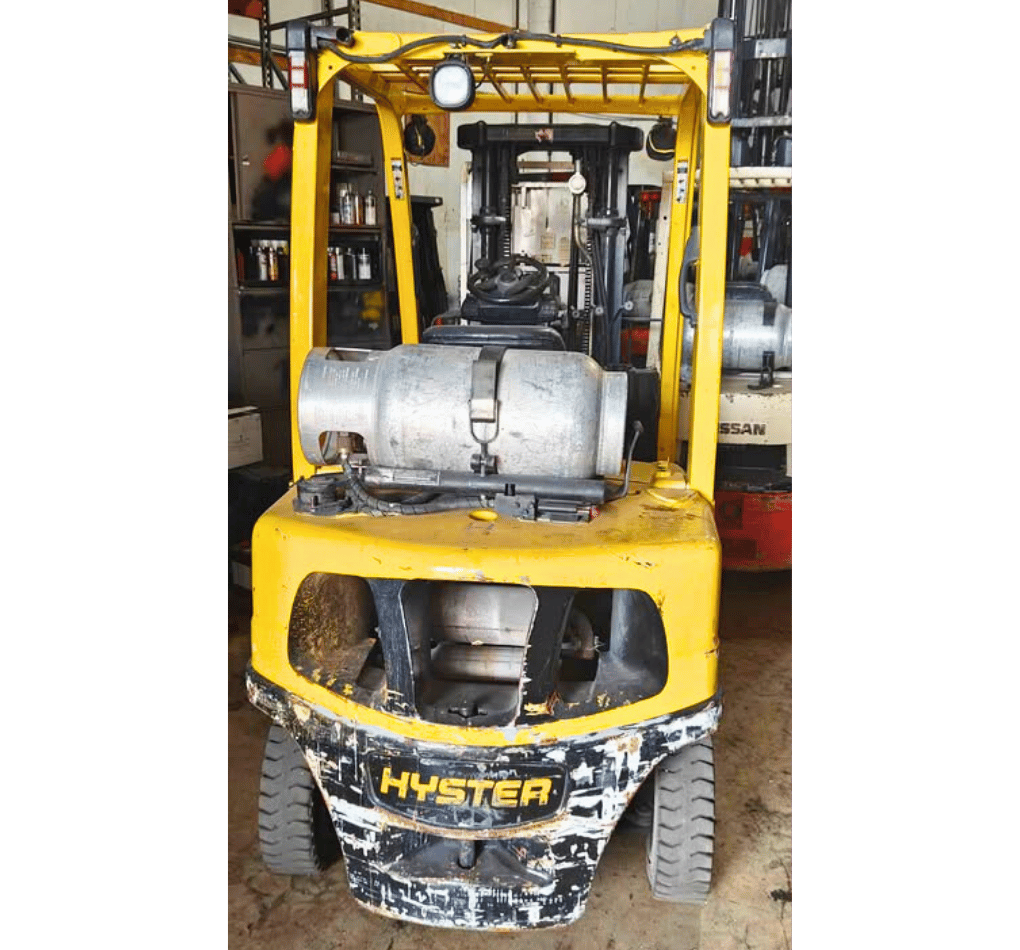
Propane forklifts are highly susceptible to humidity-related wear on regulators, valves, and tank connections. Hose inspections need to be more frequent in outdoor or partially open warehouse environments. Electric forklifts face battery performance degradation from heat — high ambient temperatures shorten charge cycle life and can cause water levels to drop faster than expected, making weekly watering checks non-negotiable in summer. Diesel and gas units working in outdoor South Florida conditions need elevated attention to air filtration, cooling system capacity, and fuel system moisture protection, particularly during the rainy season.
If you manage a mixed fleet, building fuel-type-specific protocols into your master checklist prevents the common mistake of applying a one-size-fits-all approach to machines with genuinely different service needs.
Building a Maintenance Program That Actually Gets Used
The best checklist in the world doesn't help if it sits in a filing cabinet. The warehouses with the strongest lift truck maintenance records share a few common traits: their daily inspection forms are accessible at the point of use, their technician service logs are stored in a consistent format, and someone is accountable for reviewing both on a regular basis.
Should You Handle Maintenance In-House or Hire a Service Partner?
Operator-level daily and weekly tasks can and should be handled internally; they're designed for trained operators, not technicians. Monthly and annual service, however, is a different matter. The diagnostic tools, technical knowledge, and liability coverage that a qualified service provider brings are difficult to replicate in-house, particularly for smaller operations that don't have a full-time maintenance department.
A preventative maintenance contract with a local provider also tends to reduce the total cost of ownership over time. Scheduled visits cost less than emergency calls, parts availability is better when a technician knows your fleet in advance, and compliance documentation stays current without requiring management attention.
L&L Forklift & Equipment Repair has been providing scheduled preventative maintenance programs to South Florida businesses since 2001, covering all major brands across propane, gas, and diesel platforms throughout Miami-Dade, Broward County, and Key West. Whether you need a one-time service visit or an ongoing fleet maintenance plan, the team offers same-day repair services and bilingual support. Call 786-357-9796 or visit forkliftluis.com to discuss a program for your operation.
Key Takeaways
- A daily pre-shift inspection is required by OSHA and should be completed by the operator before every shift
- Weekly tasks focus on lubrication, filters, fluid systems, and charge cycle reviews
- Monthly service should involve a qualified technician and include hydraulic, brake, and electrical system inspections
- Annual inspections provide full certification, forklift measurement, and fleet-level planning
- South Florida's humidity and heat demand more frequent attention to electrical components, cooling systems, and propane connections than standard guidelines suggest
- A consistent maintenance log is your OSHA documentation, warranty protection, and resale value record
- Partnering with a local service provider for monthly and annual service reduces the total cost of ownership and keeps compliance current
Keep Your Equipment Running Before It Stops You
A consistent forklift preventative maintenance schedule is one of the highest-return investments a South Florida warehouse operation can make. The combination of OSHA compliance requirements, Florida's demanding climate, and the real cost of unplanned downtime makes a disciplined approach to maintenance not just smart — but essential. Build your program around the daily, weekly, monthly, and annual tiers outlined here, document everything, and don't wait for a breakdown to find a service partner you can trust.