How to Extend the Life of Your Forklift Tires

May 6, 2026

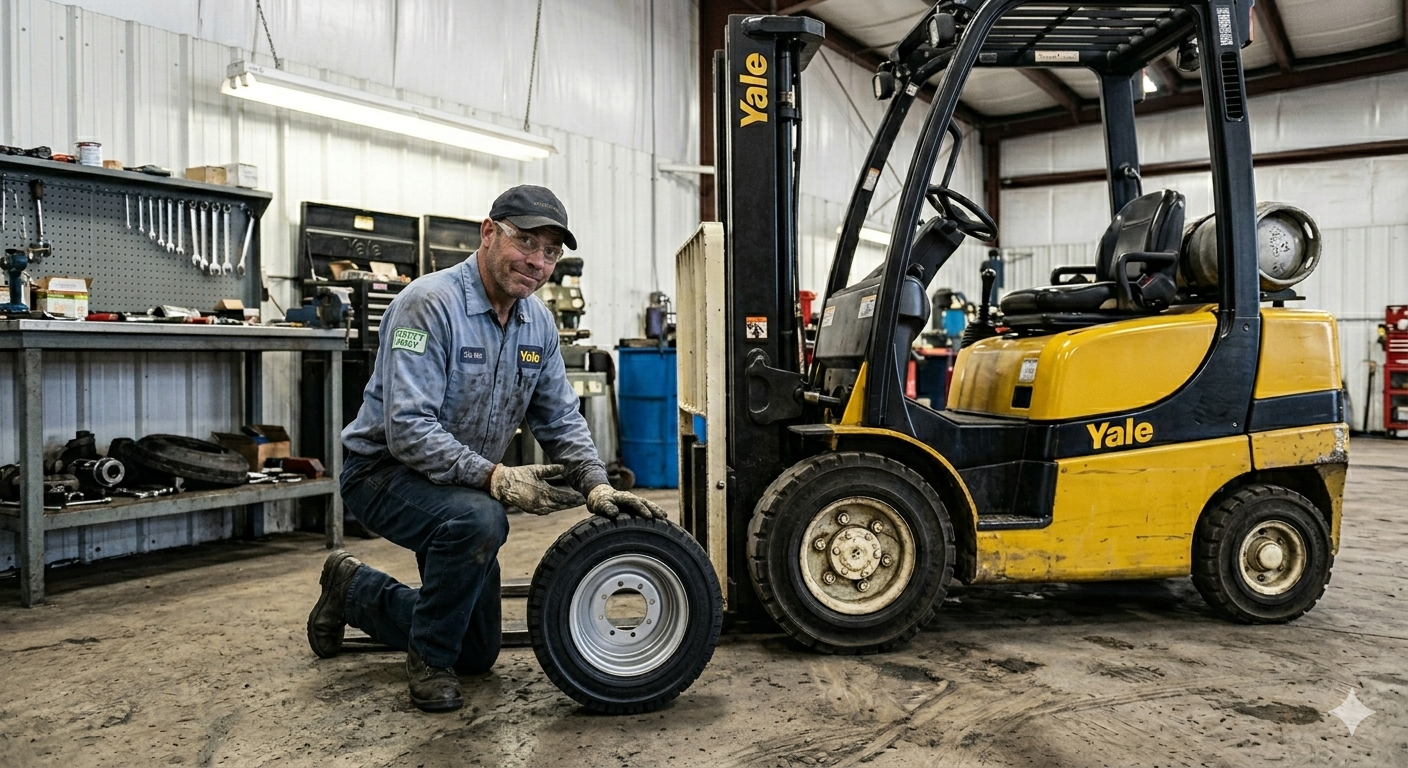
If you want to extend the life of your forklift tires, the answer rarely starts with the tires themselves. It starts with habits: daily inspections, operator training, surface conditions, and load discipline. Tires are one of the most replaced components on any forklift fleet, yet most of that replacement cost is entirely avoidable.

At L&L Forklift & Equipment Repair, we've been servicing forklifts across South Florida since 2014, and the pattern we see is consistent: operations that treat tires as an afterthought pay significantly more in replacements, unplanned downtime, and damaged warehouse flooring than those that don't. This guide covers what actually works and what warning signs mean you need to act now.
How to Extend the Life of Your Forklift Tires

Why Forklift Tire Life Matters More Than You Think

The Real Cost of Premature Tire Wear

Replacing a single forklift tire can run anywhere from $200 to over $600 depending on type and brand. Multiply that across a fleet with more frequent replacements than necessary, and you're looking at a significant line item that could be cut substantially. Beyond money, worn tires create real safety risks. Flat spots, chunking, and under-inflated pneumatic tires all reduce load stability and braking performance, two factors that feed directly into OSHA forklift safety standards.


How Long Should Forklift Tires Actually Last?

Forklift tires typically last between 1 and 5 years, depending on tire type, operating hours, surface conditions, and load weight. Cushion tires on smooth indoor concrete can reach 4,000 operating hours under ideal conditions. Pneumatic tires used on rough outdoor terrain or loading docks may need replacement every one to two years. The variables that compress that lifespan fastest: overloading, abrasive surfaces, poor inflation management, and operators who take corners too aggressively.


7 Ways to Extend the Life of Your Forklift Tires

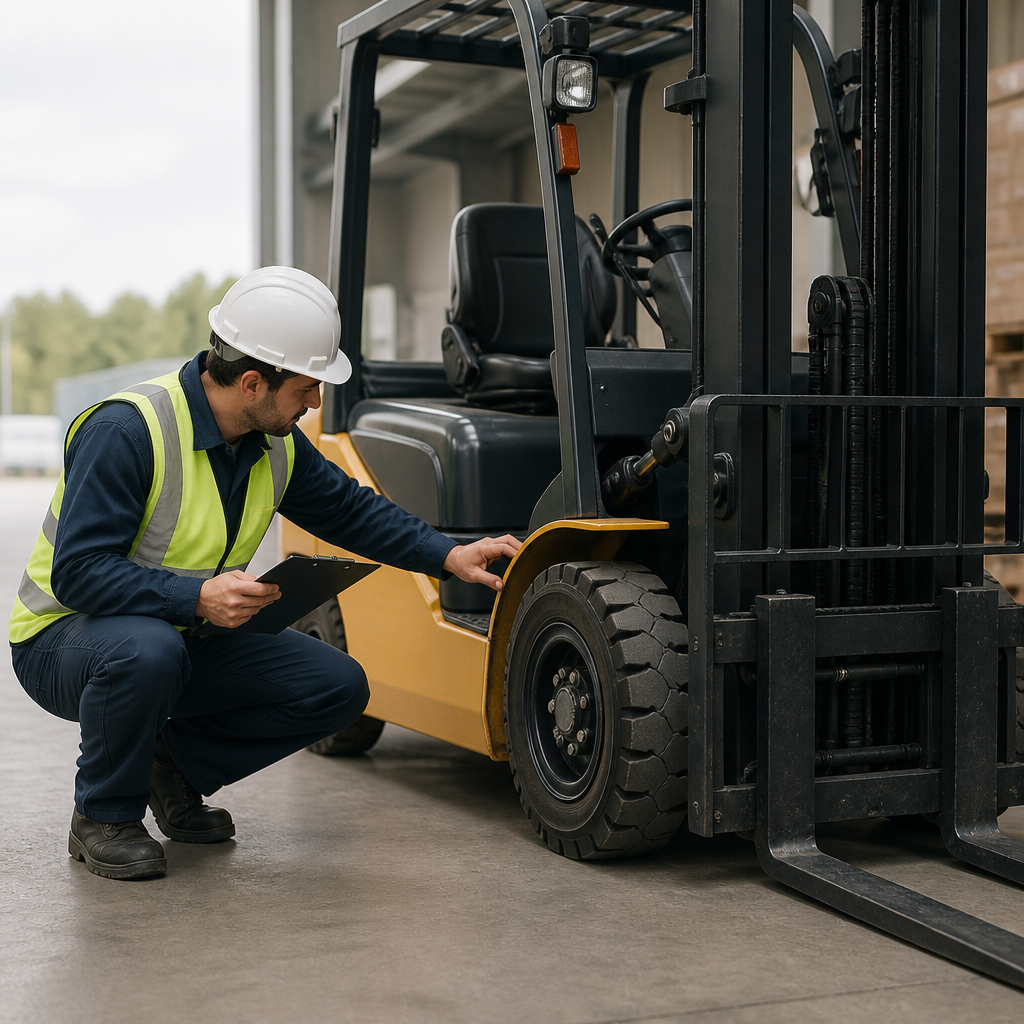
1. Run a Pre-Shift Tire Inspection Every Single Day

This is the most important habit on this list, and it takes less than five minutes. OSHA requires pre-operation inspections before each shift, and tires are a core part of that checklist.


What to look for:

  • Cuts, tears, or embedded debris (nails, metal scraps, wood splinters)
  • Flat spots or chunking on the tread face
  • Uneven wear across the tire width
  • Visible cracking on sidewalls
  • For pneumatic tires: any visible deflation or bulging


Catching a small cut before a full shift of operation prevents a blowout or structural failure mid-run. It also creates a documentation trail that protects you in the event of an incident review.


2. Keep Pneumatic Tires at the Correct Inflation Pressure

Under-inflation is the leading cause of premature pneumatic tire failure, more so than overloading or surface damage. A tire running even 10 to 15 PSI below spec experiences dramatically accelerated sidewall flexion, heat buildup, and compound degradation.

Check inflation weekly, or before each shift on high-use equipment. In South Florida warehouses, seasonal temperature swings and the heat inside loading dock environments can shift PSI more than operators expect. A tire that reads correctly in the morning may be noticeably different after a few hours of operation in a sun-exposed dock area.


3. Match Your Tire Type to Your Operating Surface

Using the wrong tire type for your environment is one of the fastest ways to shorten tire life, and it's surprisingly common.

Cushion tires (solid rubber) are designed for smooth, hard indoor surfaces like sealed concrete. They perform well in those conditions but wear rapidly on rough or uneven terrain. Pneumatic tires (air-filled or solid foam-filled) are built for outdoor use, uneven ground, and dock ramps. Running cushion tires on cracked asphalt or across dock plates that haven't been maintained puts compound stress the tire was never designed to handle. Our forklift repair and maintenance services team regularly sees premature failures that trace directly back to a tire-surface mismatch that could have been addressed at the time of equipment setup.


4. Train Operators on Habits That Protect Tires

Operator behavior is a leading and often underestimated cause of tire wear. The specific habits that damage tires fastest:

  • Spin-outs on concrete: Spinning the drive tire while turning causes flat spots on cushion tires almost immediately. It's one of the most damaging things an operator can do and one of the most common.
  • Sharp turns under load: Turning at speed or with elevated forks places lateral stress on the tire compound and wheel bead.
  • Hard braking: Repeated sudden stops cause heat buildup and uneven tread wear.
  • Running over debris: Even small objects like broken pallet boards and metal strapping can cause cuts or punctures that compromise the tire internally before any external sign appears.


A 15-minute operator briefing on these four habits, revisited quarterly, can meaningfully extend the replacement interval on your entire fleet.


5. Keep Your Operating Surface Clean and Maintained

The floor your forklifts run on directly affects how long tires last. Debris accumulation including metal shavings, splinters, broken strapping, and standing water creates hazards that cause cuts, punctures, and compound degradation over time.

Expansion joints and dock plate gaps are also worth monitoring. When these aren't maintained, each pass creates an impact event that stresses the tire and the wheel mounting. Schedule daily floor sweeps before the first shift, and build dock plate maintenance into your regular preventative maintenance program.


6. Respect Load Capacity Ratings

Overloading a forklift doesn't just risk tip-overs. It compresses tires beyond their design limits with every single load cycle. On cushion tires, chronic overloading is one of the primary causes of accelerated chunking, where pieces of rubber break away from the tread face.

Every forklift has a data plate specifying rated capacity at a given load center. That number accounts for tire load rating. When your loads consistently push against or exceed that rating, tire degradation accelerates in ways that aren't visible until significant damage has already occurred.


7. Schedule Professional Preventative Maintenance

A professional PM inspection catches what daily visual checks can't: internal cracking, bond separation between the rubber compound and the metal hub, and uneven compression patterns that predict failure.

Industry guidance typically recommends tire evaluation every 250 operating hours or at minimum twice per year for standard warehouse equipment. More intensive operations with multiple shifts, heavy loads, or outdoor use warrant more frequent checks.

Our preventative maintenance visits include a full tire inspection as a standard component. It's one of the fastest ways to catch an emerging problem before it becomes an emergency repair.

Warning Signs Your Forklift Tires Need Immediate Attention

Visible Wear Indicators

The standard industry guideline for cushion tires is replacement when worn to within two inches of the metal band. This is sometimes called the "wear line" rule. Beyond that threshold, structural integrity is compromised regardless of how the surface looks.

Other visible warning signs that require immediate evaluation:

  • Chunking (missing pieces of rubber from the tread face)
  • Deep sidewall cracking
  • Flat spots that don't rotate out
  • Any separation between the rubber compound and the wheel hub


Performance Warning Signs

Tire problems often show up as handling changes before they're visible. Watch for:

  • The forklift pulling to one side during travel
  • Increased vibration or bouncing, especially under load
  • Longer stopping distances than usual
  • Reduced stability when elevating loads

Each of these symptoms, particularly when they persist across multiple shifts, indicates a tire issue that warrants inspection rather than continued monitoring.

When to Call a Professional

If you're seeing more than one of the above symptoms, or if visible damage appeared suddenly, don't wait. Schedule a same-day forklift inspection and we'll get your equipment evaluated before the problem compounds. The goal is always to keep your operation running, not to schedule around your downtime.

Frequently Asked Questions

How often should forklift tires be replaced?

Forklift tires should be evaluated by a certified technician every 250 operating hours or at least twice per year. Replacement depends on wear, operating conditions, and tire type. There's no universal calendar interval, which is why regular professional inspection matters more than a fixed schedule.

Can forklift tires be repaired or do they always need replacement?

Pneumatic tires with minor punctures can sometimes be patched; solid cushion tires and solid pneumatic tires cannot be repaired and must be replaced when worn or damaged. A technician can assess on-site whether a repair is structurally viable or whether replacement is the safer choice.

What causes forklift tires to wear unevenly?

Uneven tire wear is most commonly caused by wheel misalignment, improper inflation, overloading, or aggressive operator habits like spinning on corners. If you notice uneven wear, addressing the root cause matters as much as replacing the tire. Otherwise the same pattern will repeat.

Does forklift fuel type affect tire wear?

Indirectly, yes. Propane, gas, and diesel forklifts are typically used in different environments with different load demands and surface conditions. A technician familiar with your specific equipment and operation can recommend the right tire spec for your setup.

Keep Your Operation Running, Starting With What's On the Ground

Knowing how to extend the life of your forklift tires comes down to a few consistent disciplines: inspect daily, match your tire to your surface, train your operators, respect load ratings, and bring in a professional before a small issue becomes a costly one.

Tires are the only part of your forklift that touches the ground on every single move. They deserve more attention than most operations give them. When they're in good shape, everything runs smoother, safer, and cheaper.

L&L Forklift & Equipment Repair serves warehouses and fleet operators across South Florida with fast, on-site service and no unnecessary upsells. Whether you need a tire inspection, a full preventative maintenance visit, or an emergency same-day repair, we're available when you need us. Call or text us at 786-357-9796.

By Laura Vasquez April 10, 2026
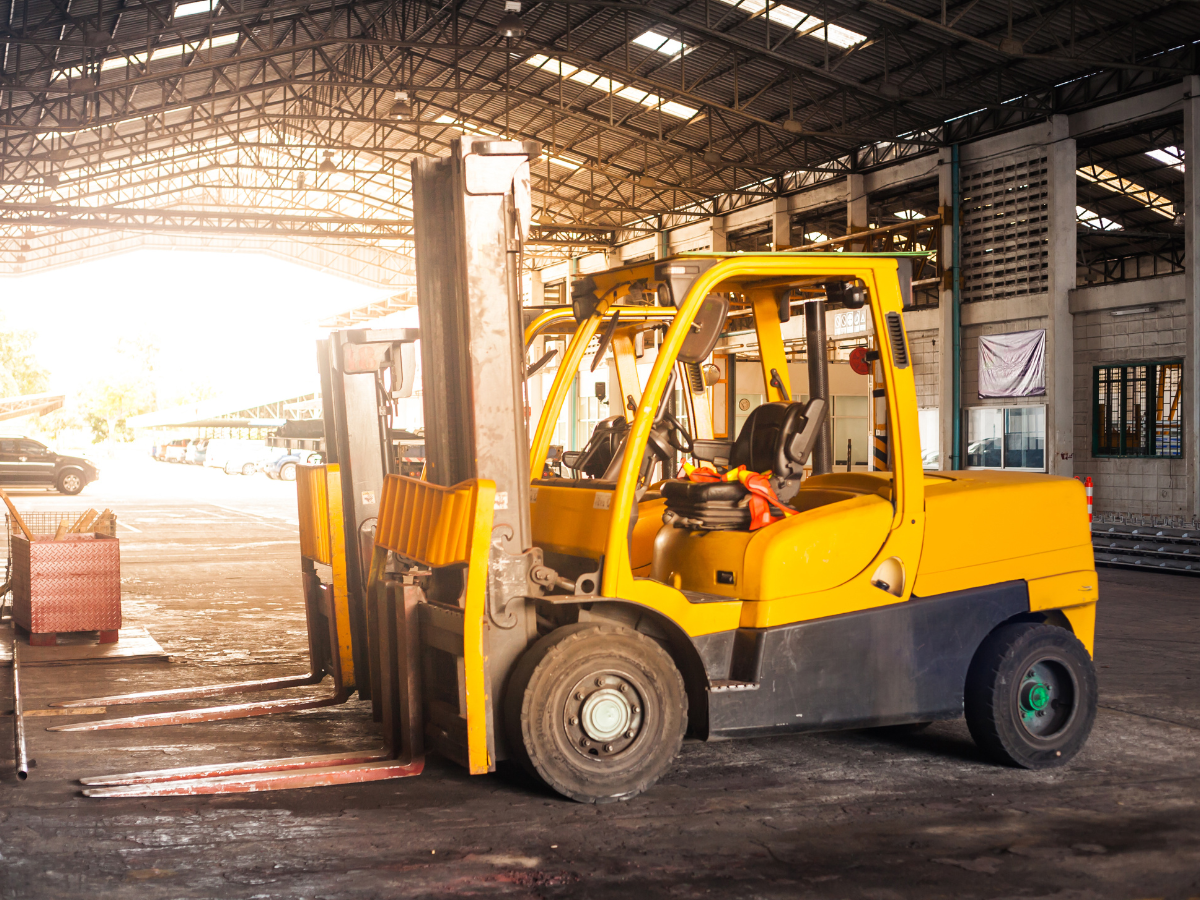
If your forklift just went down in the middle of a shift, the first thing you want to know is how long does a forklift repair take . The short answer: most repairs are completed within one to three business days. The real answer depends on what is broken, whether parts are in stock, and how quickly a qualified technician can reach your equipment. This guide breaks down forklift repair timelines by issue type, explains the variables that can stretch or shorten that window, and gives you practical steps to reduce downtime before a technician even arrives.
By Oliver Moreno March 17, 2026
Not sure whether to rent daily, weekly, or monthly? This forklift rental duration guide helps Miami businesses save money and avoid costly mistakes.
By Oliver Moreno February 24, 2026
A missed oil change on a passenger car is an inconvenience. A missed forklift preventative maintenance schedule in a busy Miami warehouse is a breakdown waiting to happen — one that can cost thousands in emergency repairs, lost productivity, and potential OSHA violations. For South Florida warehouse managers, staying ahead of equipment maintenance isn't just good practice; it's a business necessity. South Florida's climate adds a layer of urgency that warehouse operators in other parts of the country simply don't face. The combination of year-round heat, relentless humidity, and salt air doesn't just wear on people — it accelerates corrosion, degrades seals, strains cooling systems, and shortens the lifespan of electrical components faster than almost any other environment in the continental U.S. A structured maintenance program is the most reliable tool you have to fight back. Why Forklift Maintenance Matters More in South Florida Most warehouse equipment maintenance guidelines are written with average conditions in mind. South Florida is not average. Overnight moisture seeps into electrical panels and battery terminals. Summer temperatures routinely push warehouse interiors past 90°F, stressing cooling systems and hydraulic fluid viscosity alike. Near-coastal operations face salt air that accelerates rust on mast channels, chains, and chassis components at a pace that would surprise technicians working in drier climates. The financial case is equally straightforward. Emergency forklift repairs typically cost two to three times more than the same work performed on a scheduled basis, and that doesn't account for the downtime labor costs while a lift truck sits idle. Deferred maintenance also tends to void manufacturer warranties and creates measurable liability exposure if an under-maintained machine contributes to a workplace incident. The good news is that most breakdowns are preventable. The businesses that avoid them aren't lucky — they're organized. What OSHA Requires for Forklift Inspection and Maintenance OSHA standard 29 CFR 1910.178 requires that powered industrial trucks be examined at least daily before use, and that any vehicle found to be unsafe be removed from service until it has been restored to safe operating condition. Forklifts used in multiple shifts must be inspected before each shift. This isn't a technicality to work around — it's a framework to build on. OSHA establishes the minimum; smart warehouse operations exceed it. Compliance documentation matters as much as the inspections themselves. Inspectors want to see logs, not promises. If your team is completing pre-shift checks but not recording them, you're carrying the risk without the protection. Operator training plays a role here, too. Under the same standard, operators must be trained to recognize the conditions that require a machine to be tagged out. That means knowing the difference between a cosmetic scuff on a fork and a stress crack that makes the lift truck unsafe to operate. The Complete Forklift Preventive Maintenance Schedule Think of your maintenance program as four overlapping layers of protection: daily, weekly, monthly, and annual. Each tier is designed to catch different categories of wear before they become failures. Daily Pre-Shift Inspection Checklist The daily inspection is operator territory — it should take 10 to 15 minutes and happen before the first load of every shift. In South Florida's humid overnight conditions, pay particular attention to moisture accumulation around electrical connectors and battery terminals before the first start. Key items to check before every shift: Fluid levels: engine oil, hydraulic fluid, coolant, battery water on electric units Fuel system: propane hose integrity and connections, visible leaks on gas or diesel models Tires: inflation pressure, cuts, chunking, or embedded debris Forks and attachments: visible cracks or bends, blade wear, locking pins secure Lights, horn, and backup alarm: all functional Operator restraint system: seatbelt intact and latching properly Mast and lift chains: lubrication, unusual noise during a slow raise-and-lower cycle Brakes: test at low speed before entering the operational area Any issue flagged during the daily check should be logged immediately and reported before the machine goes to work — not after. Weekly Forklift Maintenance Tasks Weekly tasks bridge the gap between daily operator checks and deeper monthly service. Some warehouses assign these to a lead operator; others bring in a technician. Either way, the goal is catching the things that daily checks might miss. Lubricate mast channels, lift chains, and all pivot points on a weekly basis — South Florida heat burns through lubrication faster than climate-controlled environments. Clean or inspect air filters, which collect dust and debris quickly in active warehouse environments. On electric forklifts, review battery charge cycles and water levels. Check hydraulic response for any sluggishness that wasn't present the week before. Inspect overhead guard mounting hardware for looseness and examine propane hoses and regulators for visible weathering or wear. Don't overlook the paper trail. Review operator-submitted daily logs for any recurring reports that might indicate an emerging issue before it becomes a repair call. Monthly Forklift Service Checklist Monthly service is technician work. This is where the warehouse equipment maintenance picture starts to get detailed, and where the value of a relationship with a trusted local service provider becomes clear. A thorough monthly visit should cover the full hydraulic system, including cylinder seals and hose condition, brake system inspection and adjustment, and a steering system check for play and alignment. On gas and propane units, this is the right time for tune-up elements — spark plugs, fuel filters, and drive belts. Diesel and gas models operating in South Florida's heat need cooling system attention every month without exception during the summer months. The electrical system deserves a careful look at the wiring harness, connectors, and switch contacts — humidity is relentless on these components. Log every finding, whether a correction was made or an item was flagged for monitoring. That log becomes your warranty protection, your OSHA documentation, and your resale value record all in one. Annual Forklift Inspection and Full Service The annual inspection is a comprehensive overhaul and certification event. This is where a qualified technician goes deep: full disassembly inspection of the mast and carriage assembly, hydraulic pump and control valve service, transmission fluid change, engine compression testing, and a complete electrical diagnostic scan. Fork inspection is particularly important at this stage. Under ANSI/ITSDF B56.1 standards, forks should be measured for blade thickness and angle — forks worn beyond manufacturer tolerances must be replaced, not patched. Annual service is also the time to review your fleet's performance data, identify which machines are consuming disproportionate repair resources, and plan capital expenditures before they become emergencies. If you're working with a local service partner, the annual visit is a good opportunity to review your full maintenance contract and make sure the program is calibrated to how your operation has evolved over the past year. Fuel-Type Considerations for South Florida Operations Not all lift trucks respond to South Florida's climate the same way, and your forklift service checklist should reflect the specific demands of your equipment. Propane forklifts are highly susceptible to humidity-related wear on regulators, valves, and tank connections. Hose inspections need to be more frequent in outdoor or partially open warehouse environments. Electric forklifts face battery performance degradation from heat — high ambient temperatures shorten charge cycle life and can cause water levels to drop faster than expected, making weekly watering checks non-negotiable in summer. Diesel and gas units working in outdoor South Florida conditions need elevated attention to air filtration, cooling system capacity, and fuel system moisture protection, particularly during the rainy season. If you manage a mixed fleet, building fuel-type-specific protocols into your master checklist prevents the common mistake of applying a one-size-fits-all approach to machines with genuinely different service needs. Building a Maintenance Program That Actually Gets Used The best checklist in the world doesn't help if it sits in a filing cabinet. The warehouses with the strongest lift truck maintenance records share a few common traits: their daily inspection forms are accessible at the point of use, their technician service logs are stored in a consistent format, and someone is accountable for reviewing both on a regular basis. Should You Handle Maintenance In-House or Hire a Service Partner? Operator-level daily and weekly tasks can and should be handled internally; they're designed for trained operators, not technicians. Monthly and annual service, however, is a different matter. The diagnostic tools, technical knowledge, and liability coverage that a qualified service provider brings are difficult to replicate in-house, particularly for smaller operations that don't have a full-time maintenance department. A preventative maintenance contract with a local provider also tends to reduce the total cost of ownership over time. Scheduled visits cost less than emergency calls, parts availability is better when a technician knows your fleet in advance, and compliance documentation stays current without requiring management attention. L&L Forklift & Equipment Repair has been providing scheduled preventative maintenance programs to South Florida businesses since 2001, covering all major brands across propane, gas, and diesel platforms throughout Miami-Dade, Broward County, and Key West. Whether you need a one-time service visit or an ongoing fleet maintenance plan, the team offers same-day repair services and bilingual support. Call 786-357-9796 or visit forkliftluis.com to discuss a program for your operation. Key Takeaways A daily pre-shift inspection is required by OSHA and should be completed by the operator before every shift Weekly tasks focus on lubrication, filters, fluid systems, and charge cycle reviews Monthly service should involve a qualified technician and include hydraulic, brake, and electrical system inspections Annual inspections provide full certification, forklift measurement, and fleet-level planning South Florida's humidity and heat demand more frequent attention to electrical components, cooling systems, and propane connections than standard guidelines suggest A consistent maintenance log is your OSHA documentation, warranty protection, and resale value record Partnering with a local service provider for monthly and annual service reduces the total cost of ownership and keeps compliance current Keep Your Equipment Running Before It Stops You A consistent forklift preventative maintenance schedule is one of the highest-return investments a South Florida warehouse operation can make. The combination of OSHA compliance requirements, Florida's demanding climate, and the real cost of unplanned downtime makes a disciplined approach to maintenance not just smart — but essential. Build your program around the daily, weekly, monthly, and annual tiers outlined here, document everything, and don't wait for a breakdown to find a service partner you can trust.
7 Signs Your Forklift Needs Immediate Repair
January 20, 2026
Recognize 7 critical forklift warning signs before breakdown. Expert repair advice from Miami's trusted material handling equipment specialists.
December 22, 2025
Choosing between propane vs. gas vs. diesel forklifts can mean the difference between thousands of dollars in annual operating costs and hours of unexpected downtime. For warehouse managers and business owners across South Florida, selecting the right fuel type isn't just about upfront purchase price—it's about understanding how each option performs in Florida's humid climate, fits your indoor or outdoor operations, and impacts your bottom line over years of service.  Whether you're managing a warehouse in Miami-Dade County, running a distribution center in Broward, or operating material handling equipment in Key West, this comprehensive guide breaks down the real-world differences between propane, gasoline, and diesel forklifts. You'll discover which fuel type aligns with your operational needs, budget constraints, and environmental considerations—so you can make a confident decision that serves your business for years to come. Understanding the Three Main Forklift Fuel Types What Are Propane (LP Gas) Forklifts? Propane forklifts run on liquefied petroleum gas stored in exchangeable cylinders, offering clean-burning operation suitable for both indoor and outdoor use with consistent power output regardless of temperature. These versatile machines operate through a simple fuel system that converts liquid propane into vapor for combustion. The beauty of propane lies in its dual-environment capability—you can seamlessly move from warehouse to loading dock without worrying about emission restrictions. In South Florida's climate, propane maintains stable pressure even during scorching summer months, ensuring reliable performance when you need it most. Refueling takes just 2-5 minutes with a quick cylinder exchange, minimizing downtime during busy shifts. With propane readily available throughout Miami-Dade and Broward counties, fuel accessibility is rarely a concern for local operations. What Are Gasoline-Powered Forklifts? Gasoline forklifts operate like standard automotive engines, providing powerful performance for outdoor applications and heavy-duty lifting, though they produce emissions unsuitable for enclosed spaces. Gas-powered models appeal to businesses seeking straightforward mechanics and lower initial investment. They deliver robust torque for demanding outdoor tasks like loading trucks, moving pallets across yards, or handling materials at construction sites. However, their carbon monoxide and hydrocarbon emissions limit them to well-ventilated outdoor environments, making them less versatile than propane alternatives. What Are Diesel Forklifts? Diesel forklifts deliver maximum torque and lifting capacity, making them ideal for outdoor heavy-duty operations, lumber yards, and construction sites, with exceptional fuel efficiency for high-hour operations. These workhorses excel when moving heavy loads across uneven terrain or operating continuously throughout long shifts. Diesel engines typically last 15,000-20,000 hours with proper maintenance—significantly longer than their gasoline counterparts. For businesses running equipment intensively, this longevity translates into superior long-term value despite higher upfront costs.