
Propane vs. Gas vs. Diesel Forklifts: Which is Right for Your Business?
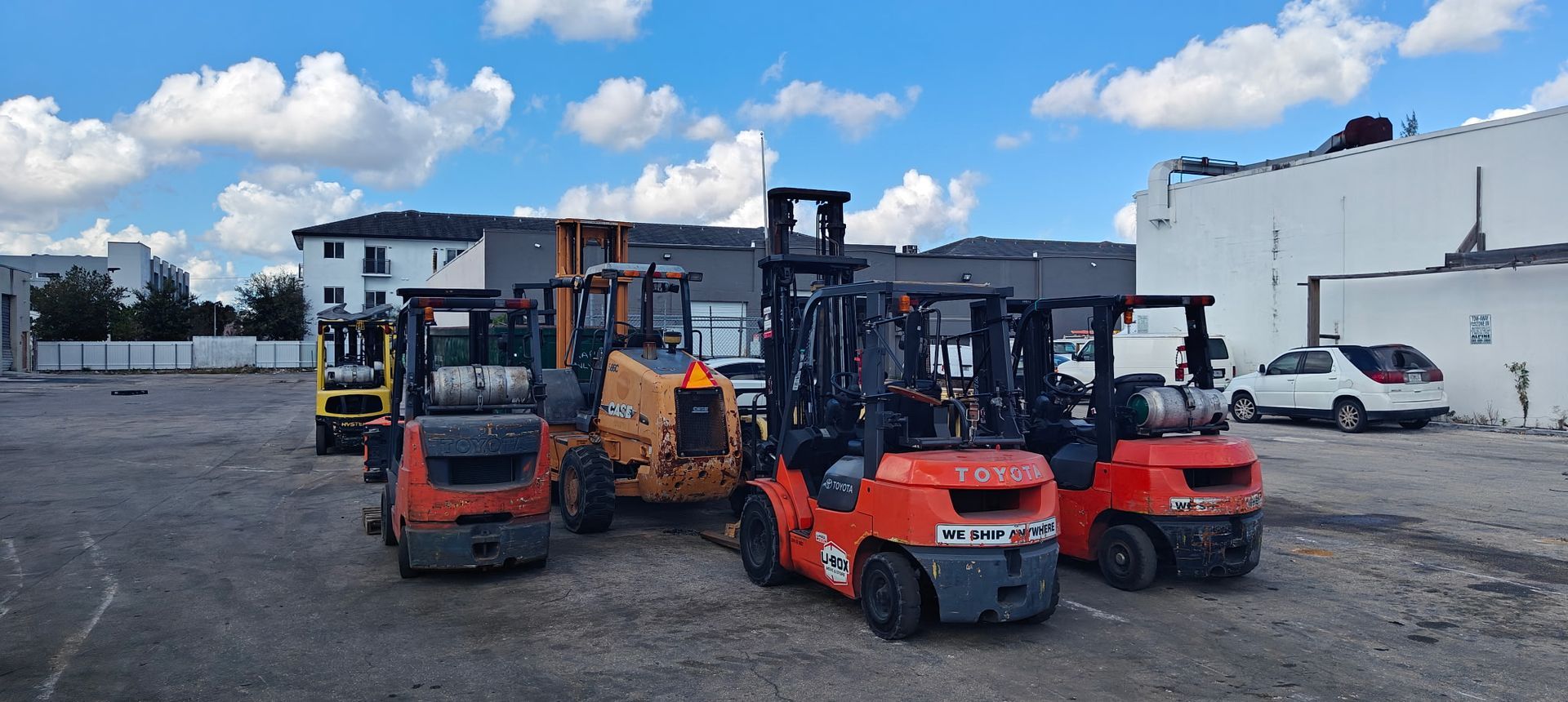
Choosing between propane vs. gas vs. diesel forklifts can mean the difference between thousands of dollars in annual operating costs and hours of unexpected downtime. For warehouse managers and business owners across South Florida, selecting the right fuel type isn't just about upfront purchase price—it's about understanding how each option performs in Florida's humid climate, fits your indoor or outdoor operations, and impacts your bottom line over years of service.
Whether you're managing a warehouse in Miami-Dade County, running a distribution center in Broward, or operating material handling equipment in Key West, this comprehensive guide breaks down the real-world differences between propane, gasoline, and diesel forklifts. You'll discover which fuel type aligns with your operational needs, budget constraints, and environmental considerations—so you can make a confident decision that serves your business for years to come.
Understanding the Three Main Forklift Fuel Types
What Are Propane (LP Gas) Forklifts?
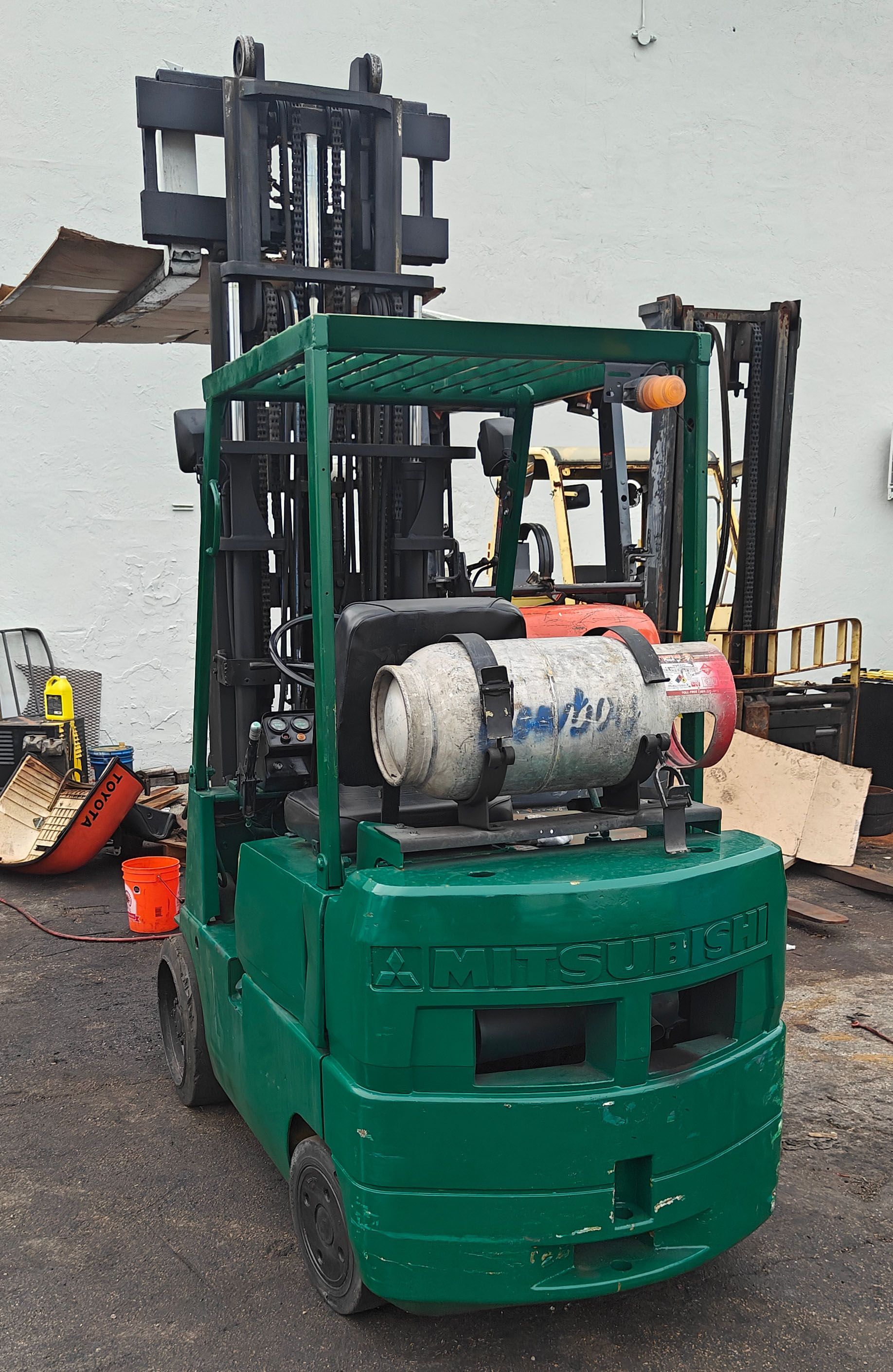
Propane forklifts run on liquefied petroleum gas stored in exchangeable cylinders, offering clean-burning operation suitable for both indoor and outdoor use with consistent power output regardless of temperature.
These versatile machines operate through a simple fuel system that converts liquid propane into vapor for combustion. The beauty of propane lies in its dual-environment capability—you can seamlessly move from warehouse to loading dock without worrying about emission restrictions. In South Florida's climate, propane maintains stable pressure even during scorching summer months, ensuring reliable performance when you need it most.
Refueling takes just 2-5 minutes with a quick cylinder exchange, minimizing downtime during busy shifts. With propane readily available throughout Miami-Dade and Broward counties, fuel accessibility is rarely a concern for local operations.
What Are Gasoline-Powered Forklifts?
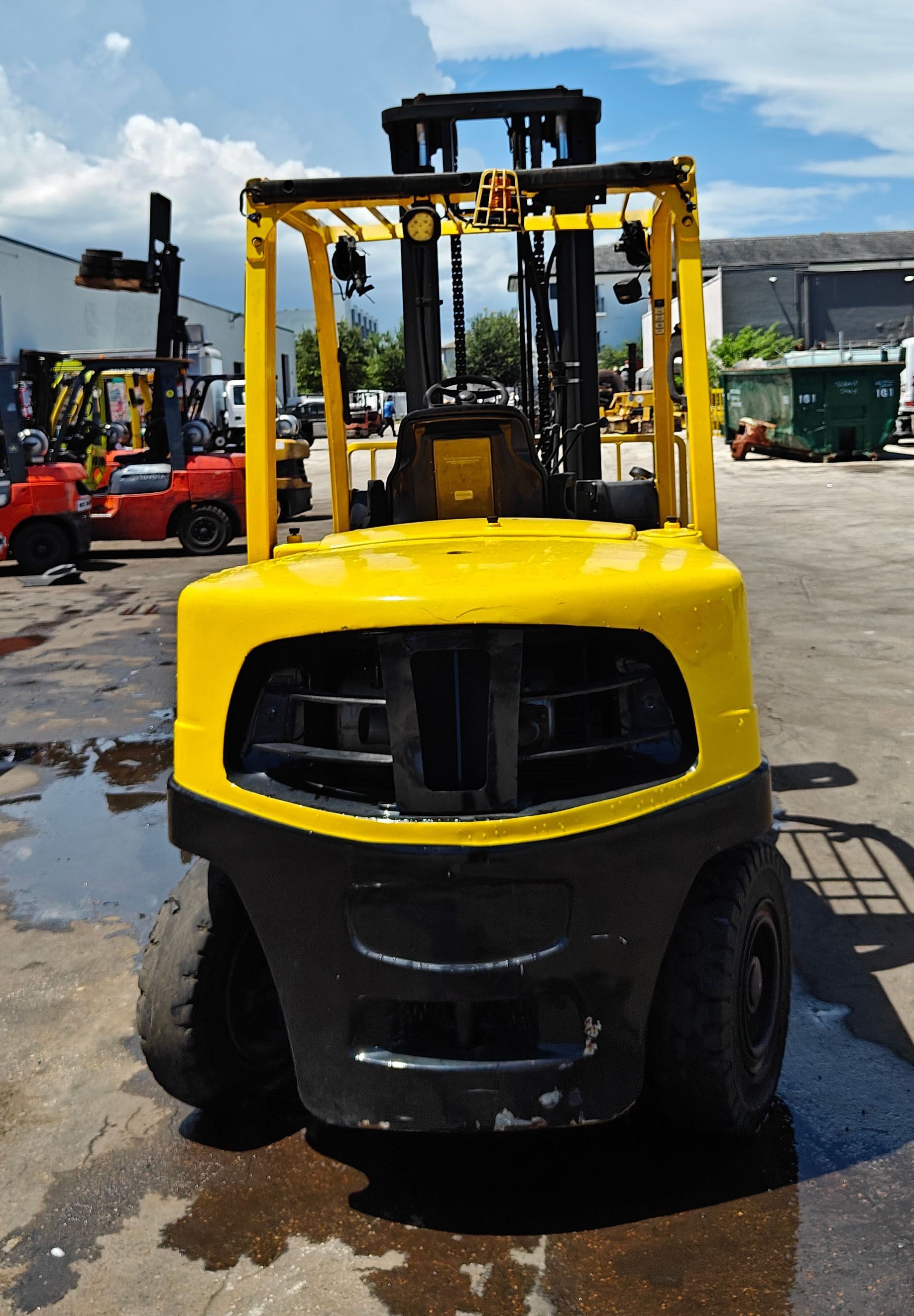
Gasoline forklifts operate like standard automotive engines, providing powerful performance for outdoor applications and heavy-duty lifting, though they produce emissions unsuitable for enclosed spaces.
Gas-powered models appeal to businesses seeking straightforward mechanics and lower initial investment. They deliver robust torque for demanding outdoor tasks like loading trucks, moving pallets across yards, or handling materials at construction sites. However, their carbon monoxide and hydrocarbon emissions limit them to well-ventilated outdoor environments, making them less versatile than propane alternatives.
What Are Diesel Forklifts?
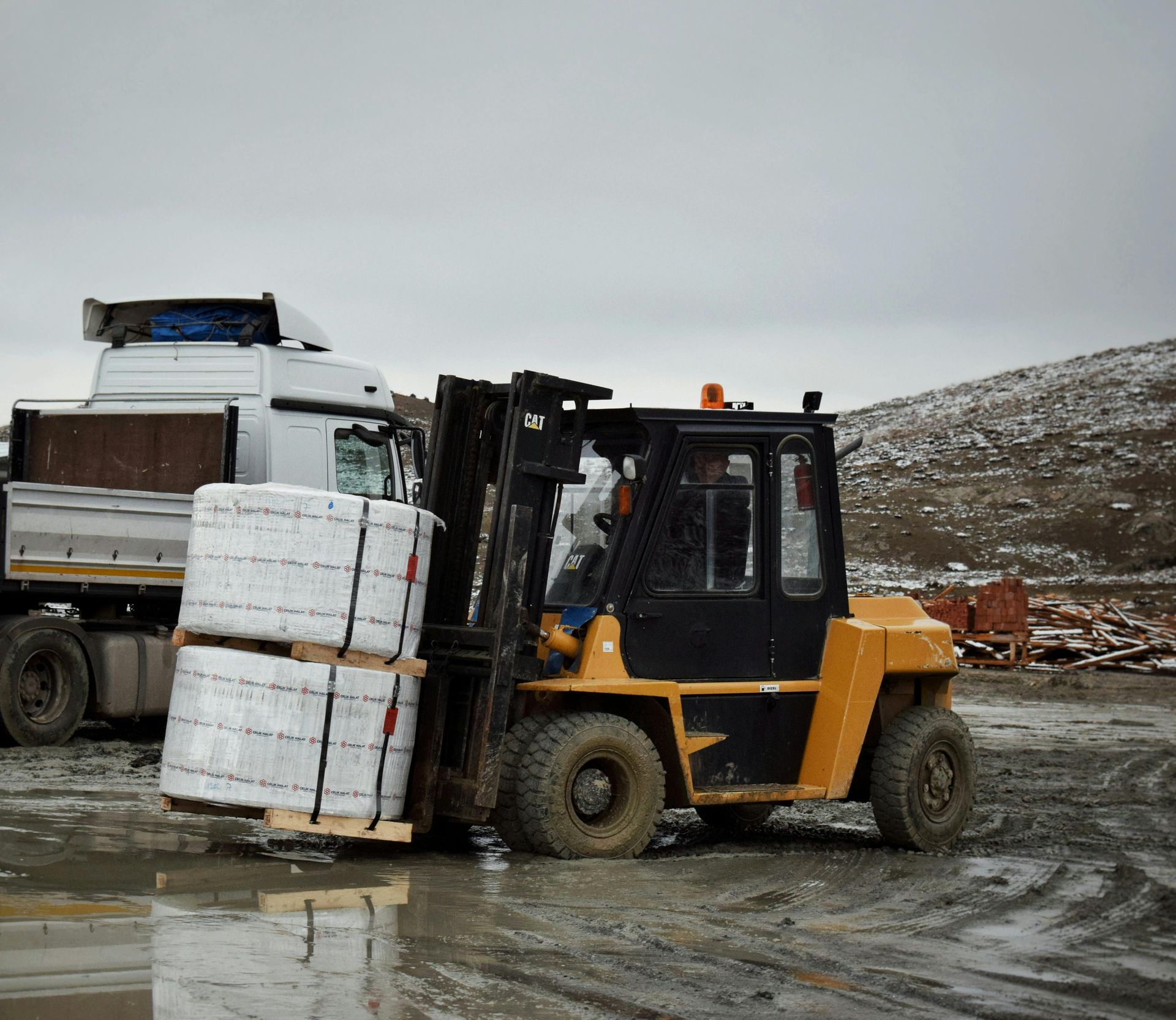
Diesel forklifts deliver maximum torque and lifting capacity, making them ideal for outdoor heavy-duty operations, lumber yards, and construction sites, with exceptional fuel efficiency for high-hour operations.
These workhorses excel when moving heavy loads across uneven terrain or operating continuously throughout long shifts. Diesel engines typically last 15,000-20,000 hours with proper maintenance—significantly longer than their gasoline counterparts. For businesses running equipment intensively, this longevity translates into superior long-term value despite higher upfront costs.
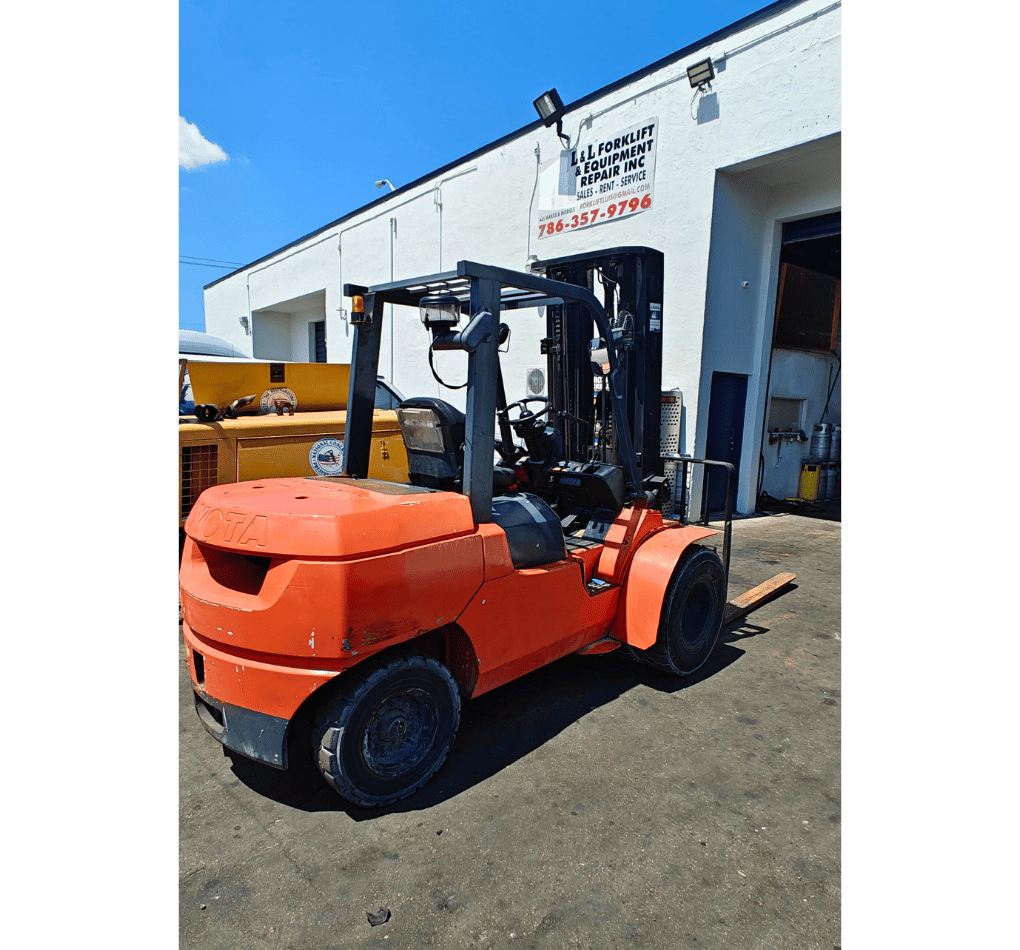
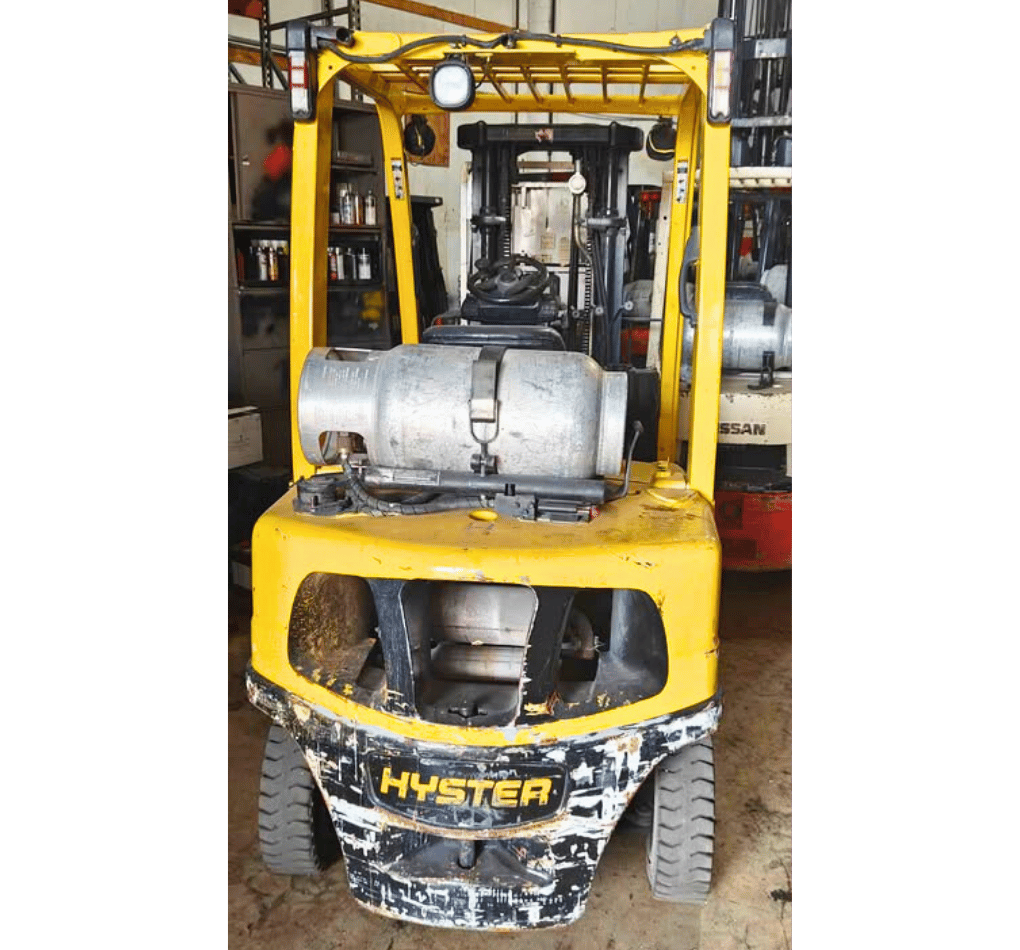
Fuel Cost Comparison: Which Forklift Type Saves Money in South Florida?
Current Fuel Prices and Operating Expenses
As of 2024, South Florida propane costs average $2.50-$3.50 per gallon, gasoline ranges $3.20-$3.80 per gallon, and diesel runs $3.40-$4.20 per gallon, with significant variations based on supplier contracts and volume purchases.
But fuel price per gallon only tells part of the story. Consumption rates dramatically affect your actual operating costs. Diesel forklifts typically burn 1-2 gallons per 8-hour shift, while propane consumes 6-8 gallons and gasoline uses 4-6 gallons during the same period. When you calculate cost per operating hour, diesel often emerges as the most economical choice for high-utilization operations, despite higher fuel prices at the pump.
For example, a diesel forklift running 2,000 hours annually might cost $2,500-$4,000 in fuel, compared to $4,500-$7,000 for propane and $3,800-$6,400 for gasoline. These differences compound over years of operation, making fuel efficiency a critical factor in the total cost of ownership.
Don't forget infrastructure costs, either. Propane requires cylinder storage and potential tank rental fees. Gasoline and diesel need compliant storage tanks, spill containment systems, and proper ventilation—investments that can reach several thousand dollars depending on local regulations in Miami-Dade and Broward counties.
Maintenance Requirements and Long-Term Costs
How Much Does Propane Forklift Maintenance Cost?
Propane forklifts require moderate maintenance averaging $1,500-$2,500 annually, including spark plug replacements, fuel system inspections, and standard fluid changes, with engines typically lasting 12,000-15,000 hours with proper care.
The beauty of propane engines lies in their relatively clean combustion, which reduces carbon buildup and extends component life. Regular maintenance includes oil changes every 250 hours, air filter replacements, and periodic tune-ups. At L&L Forklift & Equipment Repair, we've seen well-maintained propane forklifts deliver consistent performance for over a decade across South Florida's demanding warehouse environments.
Diesel Maintenance: Higher Investment, Longer Lifespan
Diesel forklifts require the highest initial maintenance investment at $2,500-$4,000 annually but offer exceptional longevity of 15,000-20,000 hours, making them cost-effective for high-hour operations despite premium parts and specialized service requirements.
Newer diesel models may also require Diesel Exhaust Fluid (DEF) and particulate filter maintenance to meet emission standards. However, diesel engines' robust construction means they often outlast propane and gasoline alternatives by thousands of hours. For operations running multiple shifts daily, this durability justifies the higher maintenance budget.
When calculating the total cost of ownership over five years, factor in purchase price, fuel expenses, maintenance costs, and residual value. A diesel forklift might cost $35,000 new with $20,000 in fuel and $15,000 in maintenance, totaling $70,000—but retain $10,000 in resale value. Compare this against a $28,000 propane unit with $30,000 in fuel and $12,000 in maintenance, totaling $70,000 with $6,000 residual value. The numbers often surprise business owners who focus solely on sticker price.
Indoor vs. Outdoor Applications: Where Does Each Fuel Type Excel?
Can You Use Propane Forklifts Indoors Safely?
Yes, propane forklifts are OSHA-approved for indoor use with proper ventilation, producing significantly lower emissions than gas or diesel while maintaining consistent power output, making them the preferred choice for warehouses and distribution centers.
This versatility makes propane the go-to fuel for mixed-environment operations common across South Florida. You can operate the same forklift inside your climate-controlled warehouse and outside on the loading dock without switching equipment or worrying about air quality violations. Propane's clean-burning properties produce 60-70% fewer carbon monoxide emissions than gasoline, keeping your indoor air quality within OSHA standards.
Why Gasoline and Diesel Stay Outdoors
Gasoline forklifts emit carbon monoxide and hydrocarbons unsuitable for enclosed spaces without exceptional ventilation, relegating them primarily to outdoor applications like lumber yards, construction sites, and open-air storage facilities.
Diesel forklifts face similar indoor restrictions, though their real strength lies in outdoor heavy-duty applications. At shipping yards, construction sites, and large-scale material handling operations, diesel's maximum lifting capacity and torque make it unbeatable. In South Florida's port facilities and industrial zones, diesel dominates for good reason—these environments demand power and durability above all else.
Performance in Florida's Climate: Heat, Humidity, and Reliability
How Does Florida's Heat Affect Forklift Fuel Performance?
Florida's average temperatures of 75-92°F impact fuel efficiency and engine performance differently across fuel types, with propane maintaining consistent pressure regardless of heat, while gasoline vapor lock and diesel fuel degradation present unique challenges.
South Florida's tropical climate poses specific considerations for material handling equipment. Propane's pressurized system remains stable even when temperatures soar during summer months. Gasoline can experience vapor lock in extreme heat, causing starting difficulties and performance hiccups. Diesel fuel, while generally stable, may degrade faster in hot, humid storage conditions without proper fuel management practices.
Humidity presents another concern. Florida's 75-85% average humidity accelerates corrosion in fuel systems, with diesel forklifts most susceptible to water contamination and algae growth. Regular fuel system inspections become essential for maintaining reliability in coastal areas like Key West and Miami Beach. At L&L Forklift & Equipment Repair, we recommend climate-specific maintenance protocols that address these regional challenges, helping our customers avoid costly breakdowns during peak operating seasons.
Environmental Impact and Emissions Considerations
Which Forklift Fuel Type Is Most Environmentally Friendly?
Propane forklifts produce 60-70% fewer carbon monoxide emissions than gasoline models and qualify as clean-burning under EPA standards, making them the most environmentally friendly internal combustion option before considering electric alternatives.
For businesses prioritizing sustainability without fully transitioning to electric equipment, propane offers a practical middle ground. It produces minimal particulate matter, significantly lower nitrogen oxide emissions than diesel, and no evaporative emissions like gasoline. Florida follows EPA emission standards for mobile equipment, with Miami-Dade and Broward counties occasionally implementing stricter air quality measures during ozone season.
Corporate sustainability goals increasingly influence equipment decisions. If your business pursues green certifications or reports environmental metrics to stakeholders, propane's emission profile provides tangible benefits you can document and promote. Diesel, while more efficient per gallon, produces higher particulate and NOx emissions that may conflict with environmental commitments.
Making the Right Choice: Decision Framework for Your Business
When Propane Forklifts Are the Best Choice
Choose propane for indoor/outdoor versatility, fast refueling, clean emissions, and operations requiring 8-12 hour shifts with consistent power, particularly in warehouses, distribution centers, and food service facilities across Miami-Dade and Broward counties.
Propane makes exceptional sense for businesses operating in multiple environments throughout the day. The quick cylinder exchange minimizes downtime between shifts, and the consistent power output ensures productivity doesn't suffer as fuel depletes. For most South Florida warehouse operations, propane delivers the ideal balance of performance, versatility, and operating cost.
When to Choose Gasoline or Diesel Forklifts
Select gasoline for outdoor-only operations with light to moderate use (under 1,000 hours annually), lower initial investment requirements, and simple maintenance accessibility. Opt for diesel when operating heavy-duty outdoor applications exceeding 2,000 hours annually, requiring maximum lifting capacity and torque in industries like shipping, construction, and large-scale material handling.
Diesel's superior fuel efficiency and engine longevity make it unbeatable for intensive operations. If you're running equipment eight or more hours daily, five or more days weekly, diesel's higher upfront costs quickly pay off through lower fuel consumption and extended service life. The key is matching your actual usage patterns to each fuel type's strengths rather than making decisions based solely on purchase price.
Testing Before You Commit: The Rental Advantage
How L&L Forklift's Rental Program Helps You Choose
L&L Forklift & Equipment Repair offers daily, weekly, and monthly forklift rentals across all three fuel types, allowing South Florida businesses to test real-world performance, fuel consumption, and operational fit before making a purchase decision.
There's no substitute for hands-on experience with different fuel types in your actual working environment. Our rental program lets you evaluate how each option handles your specific loads, terrain, and operational tempo. Track your fuel consumption, assess refueling convenience, monitor operator preferences, and calculate true operating costs before committing tens of thousands to a purchase.
This try-before-you-buy approach has helped countless South Florida businesses avoid costly mistakes. One of our Hialeah customers nearly purchased gas forklifts for outdoor use, but a two-week rental revealed diesel's superior efficiency for their high-hour operation saved over $8,000 annually—paying for the price difference within two years.
Key Takeaways: Propane vs. Gas vs. Diesel Forklifts
- Propane excels in versatility: Approved for indoor/outdoor use with clean emissions and fast refueling (2-5 minutes)
- Fuel costs vary significantly: Diesel uses 1-2 gallons per shift, propane 6-8 gallons, gasoline 4-6 gallons
- Maintenance expenses differ: Propane averages $1,500-$2,500 annually, diesel $2,500-$4,000, but lasts longest
- Indoor operations require propane: Gasoline and diesel emissions prohibit most enclosed-space use
- Climate matters in Florida: Humidity affects diesel fuel quality; heat impacts all fuel types differently
- Environmental impact varies: Propane produces 60-70% less CO than gasoline
- Total cost of ownership trumps purchase price: Calculate 5-year expenses including fuel, maintenance, and residual value
- Testing prevents costly mistakes: Rental programs let you verify real-world performance before purchasing
- Operation intensity guides selection: Light use favors gasoline, heavy-duty hours justify diesel, and versatility demands propane
Making Your Decision: Expert Guidance for South Florida Operations
Selecting between propane vs. gas vs. diesel forklifts ultimately depends on your unique operational requirements, budget parameters, and facility constraints. There's no universal "best" choice—only the right match for your specific circumstances. Indoor operations clearly favor propane's clean emissions and versatility. Outdoor heavy-duty work benefits from diesel's torque and efficiency. Budget-conscious occasional use can work with gasoline.
Ready to find the perfect forklift fuel solution for your South Florida operation? Contact L&L Forklift & Equipment Repair at (786) 357-9796 for expert guidance on propane, gas, and diesel options. With over 20 years serving Miami-Dade, Broward County, and Key West, our family-owned team provides honest recommendations based on your specific needs—not sales quotas.
We offer same-day repair service, flexible daily, weekly, and monthly rentals across all fuel types, and thoroughly inspected used forklifts for sale. Our technicians service all major brands with propane, gas, and diesel expertise, keeping your equipment running reliably in Florida's demanding climate. Schedule a free consultation or try before you buy with our rental program.
Call (786) 357-9796 today and let our experience guide your decision—because choosing the right fuel type impacts your profitability, safety, and operational efficiency for years to come.